
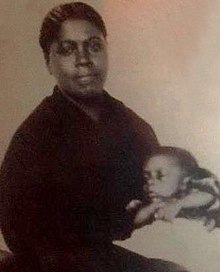
Henrietta Smith Bowers Duterte was a pioneer in more ways than one. Born in 1817 to a free Black family in Philadelphia, she broke societal norms when she became the first female undertaker in America. But Henrietta was not just a trailblazer in her profession—she was also a fierce abolitionist who used her work to support the Underground Railroad during one of the most tumultuous times in American history.
Early Life and Tragedy
Henrietta was born into a well-known and respected free Black family in Philadelphia. The city was a hub of abolitionist activity, and her family was actively involved in the movement to end slavery. This commitment to abolitionism would shape Henrietta’s life and career in profound ways.
In 1852, Henrietta married Francis Duterte, a Haitian-American businessman. The couple had several children who did not survive, but Henrietta faced another devastating blow in 1858 when Francis died unexpectedly. Left alone, Henrietta made a bold and unconventional decision—she took over her late husband’s undertaking business, becoming the first female undertaker in the United States.
Becoming an Undertaker
During the 19th century, undertaking was a male-dominated field, but Henrietta was undeterred. With determination, she embraced the work, preparing bodies for burial and organizing funeral services in her community. Her compassionate and professional approach earned her the trust of grieving families, and her reputation grew. However, Henrietta’s work as an undertaker served more than just a practical purpose—it also provided a cover for her covert work as an abolitionist.
A Secret Role in the Underground Railroad
Philadelphia was a key stop on the Underground Railroad, a secret network that helped enslaved people escape to freedom in the North or Canada. Henrietta’s role as an undertaker gave her a unique opportunity to aid escaping slaves. She often used coffins to transport fugitive slaves, hiding them in the back of her hearse or placing them in false bottoms of coffins to avoid detection.
This work was extremely dangerous, as aiding escaped slaves was illegal under the Fugitive Slave Act of 1850. Yet Henrietta risked everything to ensure that people seeking freedom had a chance at a new life. She was known for her bravery and cleverness in devising ways to smuggle people through Philadelphia undetected, making her one of the unsung heroes of the Underground Railroad.
A Legacy of Compassion and Defiance
Throughout the Civil War and beyond, Henrietta continued her work as an undertaker and abolitionist. She was more than a businesswoman; she was a symbol of resilience and defiance against a deeply unjust system. In a time when women, especially Black women, faced enormous societal limitations, Henrietta forged her own path, showing immense courage and determination.
Henrietta remained active in her community until her death in 1903. Despite her significant contributions to both her profession and the fight for freedom, her story is not widely known. Yet her legacy as a groundbreaking entrepreneur and fearless abolitionist is an important chapter in American history.
Remembering Henrietta Smith Bowers Duterte
Henrietta’s story is a reminder of the power of courage and compassion. She defied societal norms, broke barriers in her field, and put her life on the line for the cause of freedom. As America’s first female undertaker and a covert conductor on the Underground Railroad, Henrietta Smith Bowers Duterte’s life serves as an inspiring example of how one person’s determination can make a difference, even in the darkest of times.
In celebrating her legacy, we honor not just her professional achievements but also her unwavering commitment to justice and equality. Henrietta’s story is one of empowerment, resilience, and a tireless fight for human rights—a true American hero whose impact should not be forgotten.



