
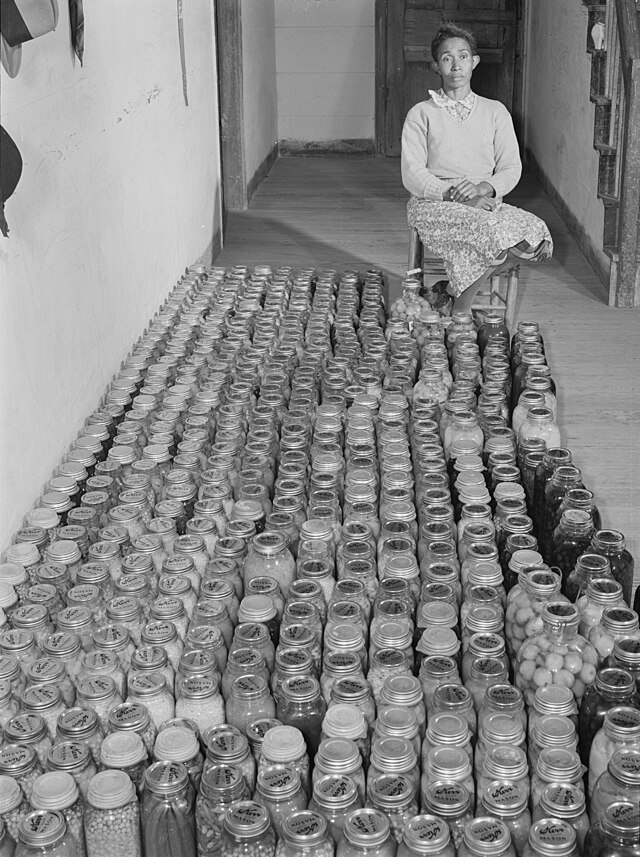
The Great Depression (1929-1939) was one of the most challenging periods in American history, affecting nearly every aspect of daily life, especially cooking and food availability. With widespread unemployment, scarcity of resources, and limited income, households had to make the most of what they had. Women, often responsible for feeding their families, became masters of resourcefulness, finding innovative ways to stretch food, make meals from scratch, and ensure that everyone had something to eat, no matter how simple.
Maximizing Limited Ingredients
One of the hallmarks of cooking during the Great Depression was making do with limited ingredients:
- Stretching Proteins:
- Meat was expensive and often reserved for special occasions. Women learned to stretch small amounts of meat by using fillers like breadcrumbs, oats, or even mashed beans to make dishes like meatloaf, meatballs, or burgers. Stews, soups, and casseroles were also popular ways to use scraps of meat and bones to flavor a larger dish.
- Creative Baking:
- Dessert lovers found innovative ways to create sweet treats with limited ingredients. “Depression Cake,” for example, used no milk, eggs, or butter but instead relied on ingredients like vinegar, baking soda, and oil. This cake became a symbol of resilience, showing how women found ways to bring small comforts to their families during tough times.
- Canning and Preserving:
- Home canning and preserving became crucial skills. Women preserved fruits, vegetables, and even meats to ensure food was available throughout the year. They canned everything from tomatoes to peaches, pickled cucumbers, and made jams, ensuring that nothing was wasted and that produce lasted longer.
- Reinventing Leftovers:
- Food waste was not an option during the Depression. Leftovers were often reinvented into new meals—yesterday’s stew might become today’s pot pie, and stale bread could transform into bread pudding or stuffing.
Victory Gardens: Growing Food at Home
With store-bought food becoming scarce or unaffordable, many families grew their own food. Women played a pivotal role in planting, tending, and harvesting vegetables from “Victory Gardens,” a concept that gained popularity during the Depression and carried on into World War II. These gardens provided vital sustenance, offering fresh produce like tomatoes, beans, potatoes, carrots, and lettuce.
Victory Gardens also gave women a sense of control and empowerment, as growing their own food ensured a more reliable source of nutrition.
Simple, Filling Recipes
To keep their families nourished, women leaned on simple, filling recipes that made the most of basic ingredients:
- Hoover Stew: A common dish in soup kitchens, this stew combined macaroni, canned tomatoes, hot dogs, and canned corn or beans.
- Mock Apple Pie: With apples often hard to come by, creative home cooks made pies with Ritz crackers, sugar, and spices, which surprisingly mimicked the taste of apple pie.
- Cornbread and Beans: A staple meal of the time, cornbread and beans provided carbohydrates, protein, and fiber, filling bellies on a budget.
Bartering and Community Support
Beyond the kitchen, women found ways to acquire food through bartering and community support. Neighbors often traded excess produce, eggs, or canned goods, while churches and local organizations organized food drives to help struggling families.
Community kitchens and soup lines were also common, where women volunteered to help prepare and serve meals to the needy. This sense of community solidarity helped many survive the worst years of the Depression.
Lessons Learned
The ingenuity of women during the Great Depression is a testament to the power of adaptability and resourcefulness in the face of adversity. The era’s cooking habits not only shaped meals of the time but also left a lasting impact on American food culture, emphasizing sustainability, frugality, and creativity. Today, the lessons from this era remain relevant, especially during economic downturns or times of uncertainty, reminding us of the enduring strength of women in the kitchen and beyond.
Cooking during the Great Depression wasn’t just about feeding families—it was about survival, hope, and the determination to make something out of nothing. Women of the era demonstrated that even in the toughest times, the love and care poured into a meal could sustain more than just the body—it could nourish the spirit.



