


Halloween is a beloved holiday celebrated with costumes, candy, and spooky tales, but its origins go far beyond the modern-day festivities. Its history is rich with ancient traditions, mystical folklore, and cultural transformations that have evolved over centuries. In this blog post, we will explore the history of Halloween, tracing its origins from ancient rituals to the modern celebration, while highlighting the important roles women have played in shaping this unique holiday.
The Ancient Roots of Halloween: Samhain
The history of Halloween can be traced back over 2,000 years to the ancient Celtic festival of Samhain (pronounced “sow-in”). Samhain was celebrated on October 31st, marking the end of the harvest season and the beginning of winter—a time associated with darkness and the unknown. The Celts believed that on this night, the boundary between the living and the spirit world was at its thinnest, allowing spirits to cross over and walk among the living. To ward off unwanted spirits, the Celts lit bonfires and wore costumes, often made of animal skins.
During this festival, women played key roles in preserving cultural traditions and performing rituals. Women were often the keepers of the household hearth and were responsible for ensuring that the family participated in Samhain traditions, such as lighting bonfires, preparing feasts, and offering tributes to ward off spirits. Wise women or female druids in Celtic communities also played significant roles, serving as spiritual leaders and healers who performed sacred rites to honor the changing season and communicate with the spirit world.
The Influence of Christianity: All Hallows’ Eve
With the spread of Christianity in the 9th century, the church sought to replace pagan celebrations with Christian observances. Pope Gregory III designated November 1st as All Saints’ Day, also known as All Hallows’ Day, a day to honor saints and martyrs. The evening before All Saints’ Day became known as All Hallows’ Eve, which eventually evolved into the term “Halloween.”
Despite the Christianization of Samhain, many of the original customs persisted. Women continued to play an essential role in these traditions, passing down folklore, preparing food for the feasts, and creating protective charms to keep malevolent spirits at bay. During this time, women’s association with the supernatural also began to take on new connotations, especially with the growing fear of witchcraft in medieval Europe.
The Witchcraft Connection and Women’s Mysticism
As Halloween evolved, the image of the witch became central to the celebration. Throughout history, women have often been associated with magic, mysticism, and healing practices. During the medieval period, the fear of witches grew, leading to the persecution of women accused of practicing witchcraft. Many of these women were herbalists, healers, or midwives, whose knowledge of the natural world was misunderstood and feared.
The association of witches with Halloween became more pronounced in the 16th and 17th centuries, especially during the witch trials in Europe and the American colonies. Women accused of witchcraft were believed to have special powers, including the ability to communicate with spirits—a belief that tied into the themes of Halloween and the thinning of the veil between worlds. The stereotypical image of the witch—complete with a pointed hat, broomstick, and cauldron—eventually became an iconic symbol of Halloween.
Halloween in America: Women’s Roles in Popularizing Traditions
Halloween began to take on a new form when it was brought to America by Irish and Scottish immigrants in the 19th century. These immigrants brought their customs with them, such as carving turnips (which later evolved into the more familiar pumpkin carving) and playing pranks. Halloween became a community-centered celebration, and by the late 19th century, efforts were made to make it a family-friendly holiday.
Women in America played an important role in transforming Halloween into a community-oriented event. During the late 19th and early 20th centuries, women organized Halloween parties for children and families, creating games, activities, and themed treats. They helped turn Halloween into a celebration that focused on fun rather than fear. Women also contributed to the crafting of costumes, decorating homes, and baking seasonal treats—laying the foundation for many of the modern Halloween traditions we enjoy today.
The Rise of Trick-or-Treating
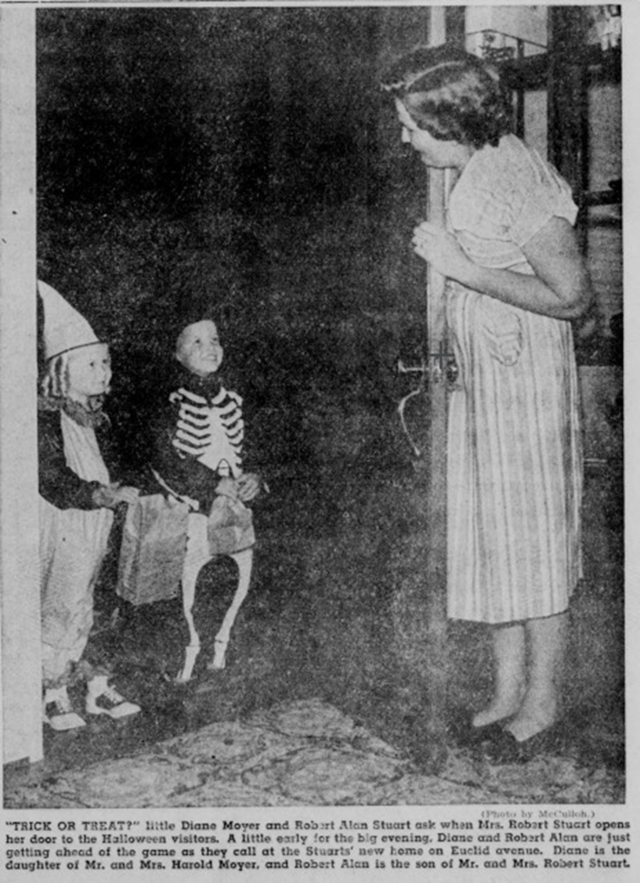
The practice of trick-or-treating as we know it today became popular in the United States during the 1920s and 1930s. While the origins of trick-or-treating can be traced back to medieval practices like “souling”—when children would go door to door asking for “soul cakes” in exchange for prayers for the dead—it was women who helped popularize this activity in the 20th century.
Mothers were instrumental in encouraging children to dress up in costumes and go trick-or-treating, as they saw it as a way to build community bonds and create a safe environment for their children to enjoy the holiday. Women also took on the role of preparing treats, decorating their homes, and ensuring that Halloween remained a festive and enjoyable occasion for families.
Women as Modern Halloween Icons
Today, women continue to play a significant role in shaping Halloween traditions and popular culture. The image of the witch has been reclaimed as a symbol of female empowerment, and modern depictions of witches often celebrate independence, strength, and resilience. Female characters such as the Sanderson Sisters from Hocus Pocus or Morticia Addams from The Addams Family have become beloved Halloween icons, reflecting both the spooky and fun aspects of the holiday.
Many female influencers, artists, and content creators also contribute to the modern celebration of Halloween, sharing costume ideas, makeup tutorials, and party-planning tips that help keep the holiday fresh and exciting. Women have also played pivotal roles in the horror film genre, with characters like Laurie Strode from Halloween and Nancy Thompson from A Nightmare on Elm Street becoming symbols of strength and survival in the face of fear.
Final Thoughts: Celebrating Women’s Contributions to Halloween
The history of Halloween is rich with tradition, transformation, and cultural influence, and throughout this journey, women have played crucial roles in shaping the celebration. From the ancient Celtic rituals of Samhain to the modern-day festivities filled with costumes, candy, and community, women’s contributions to Halloween have been both profound and enduring.
Whether as keepers of ancient traditions, the inspiration behind the iconic figure of the witch, or the organizers of community events, women have helped make Halloween the vibrant, inclusive, and magical holiday it is today. As we celebrate Halloween each year, we honor not only the history of the holiday but also the many women who have helped bring its traditions to life, ensuring that the spirit of Halloween continues to captivate and enchant us all.





