

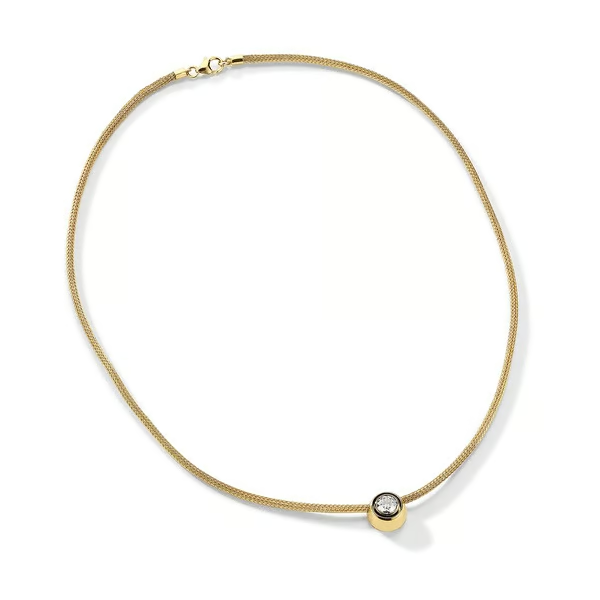

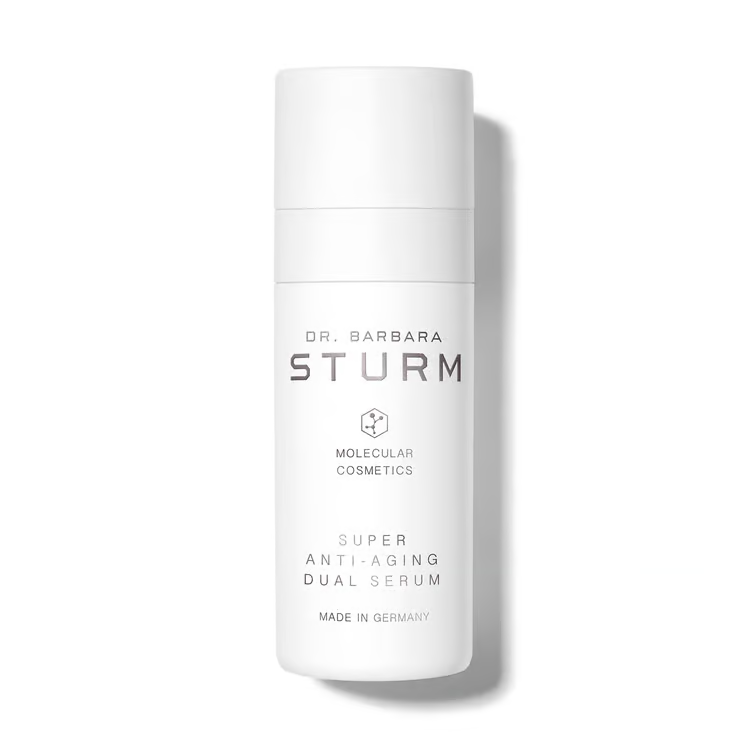
DR. BARBARA STURM Super Anti-Aging Dual Serum.

TOTEME The Wedge-Heel Boot.

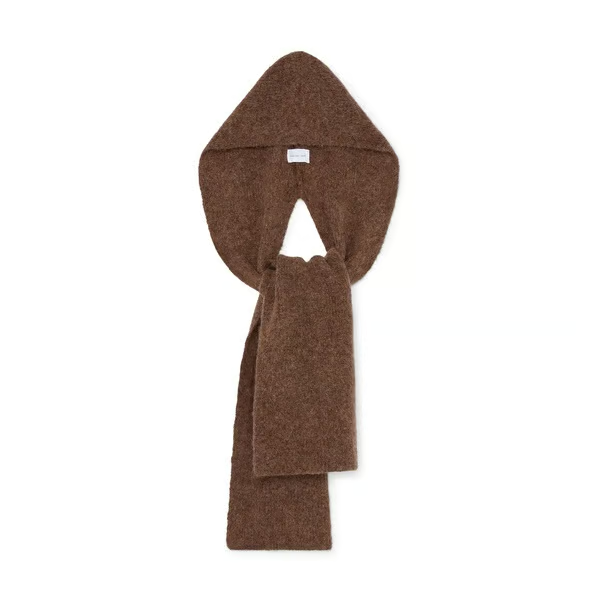

KALLMEYER Remi Cropped Jacket.
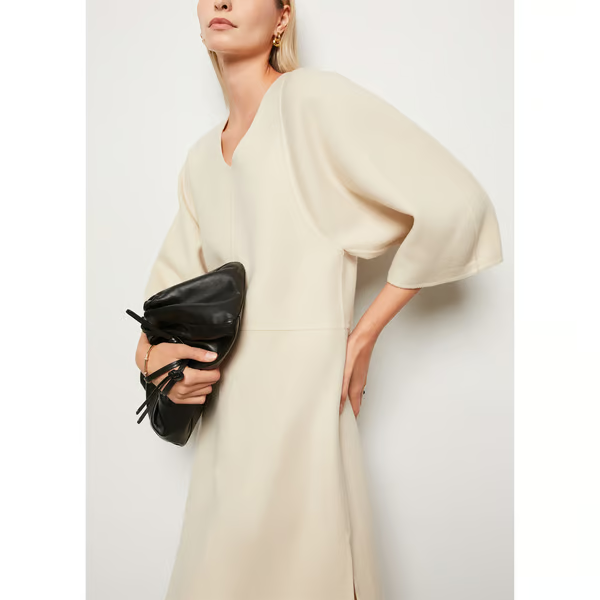
BY MALENE BIRGER Cirema Dress.
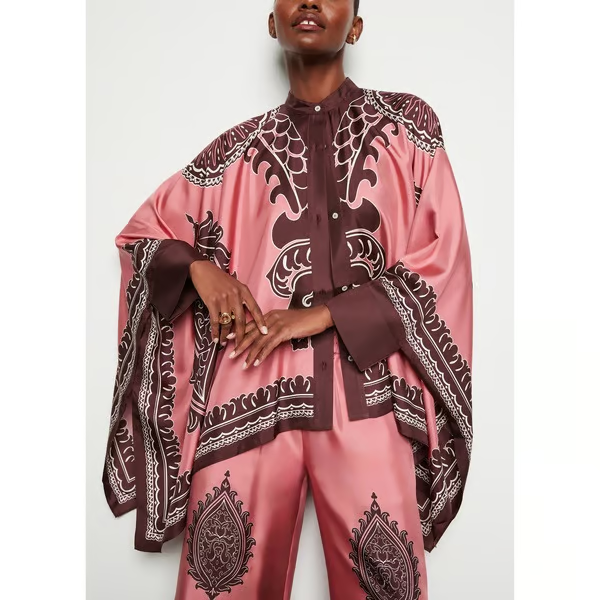
LA DOUBLEJ Foulard Shirt.

JAMIE HALLER The Crease Jean.

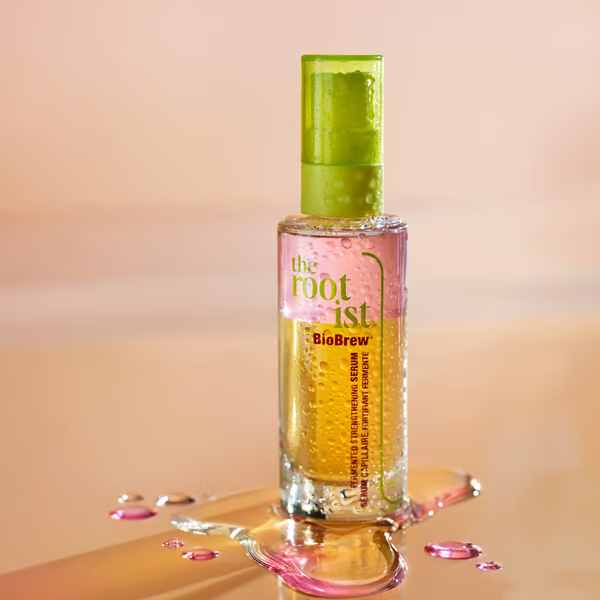

DR. BARBARA STURM Sturm Townhouse.
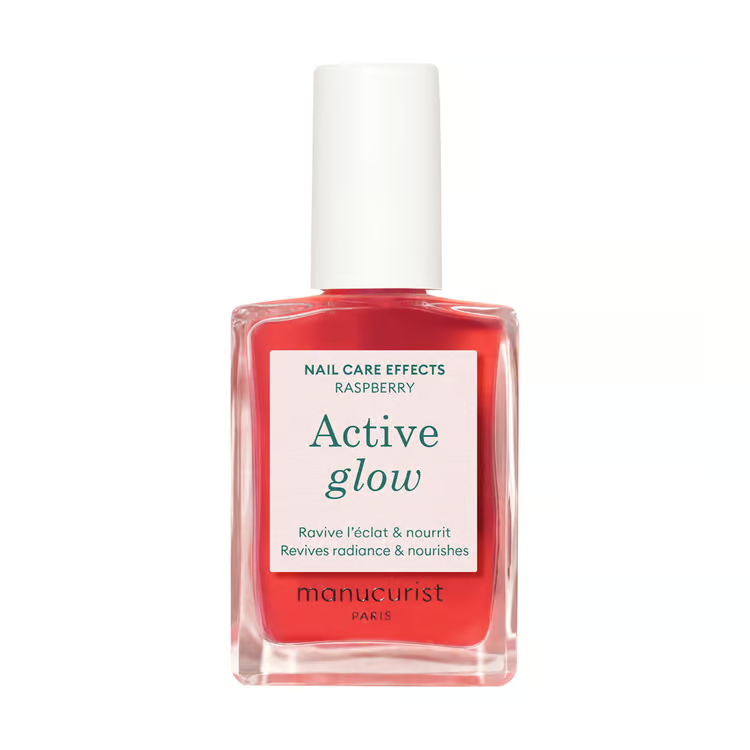

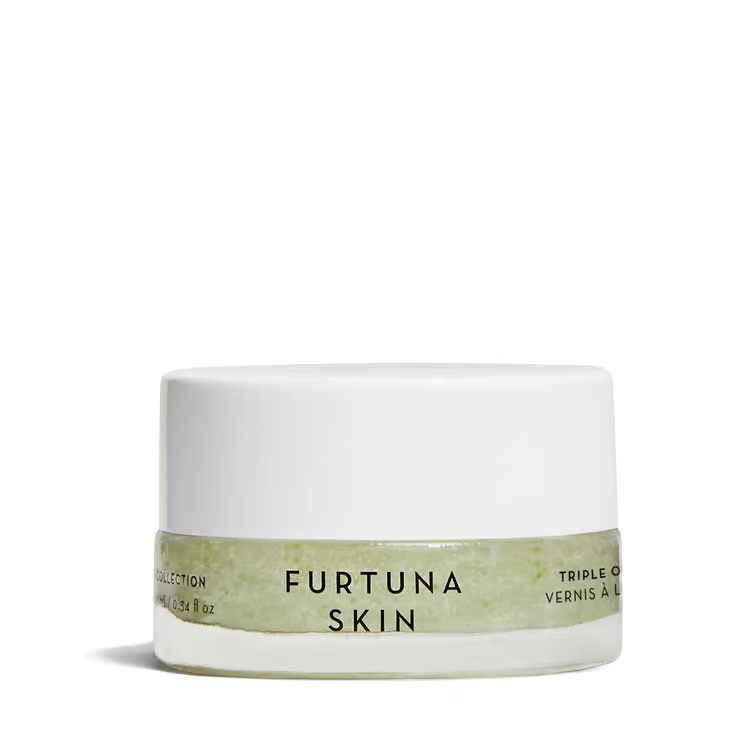
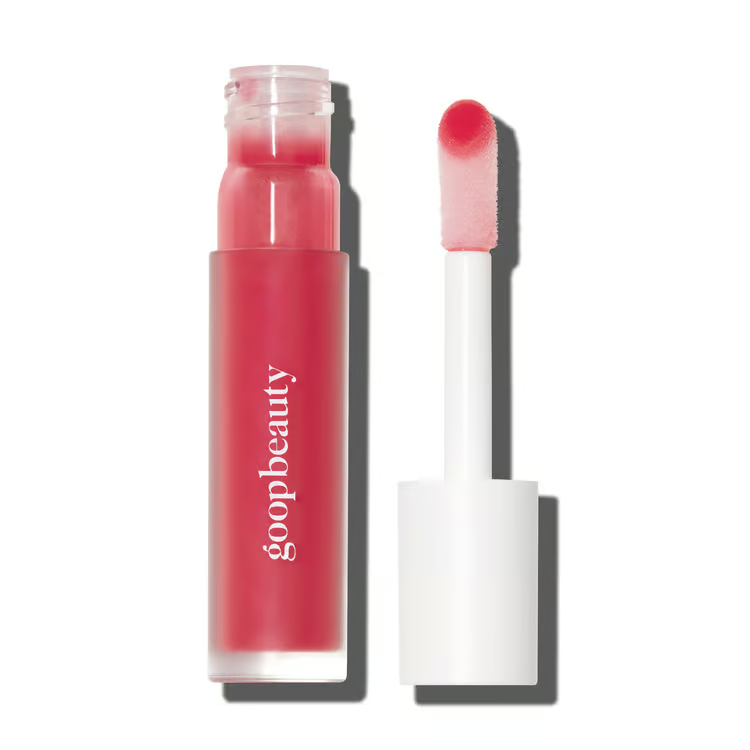
GOOP BEAUTY Hydra-Barrier Gel Gloss.
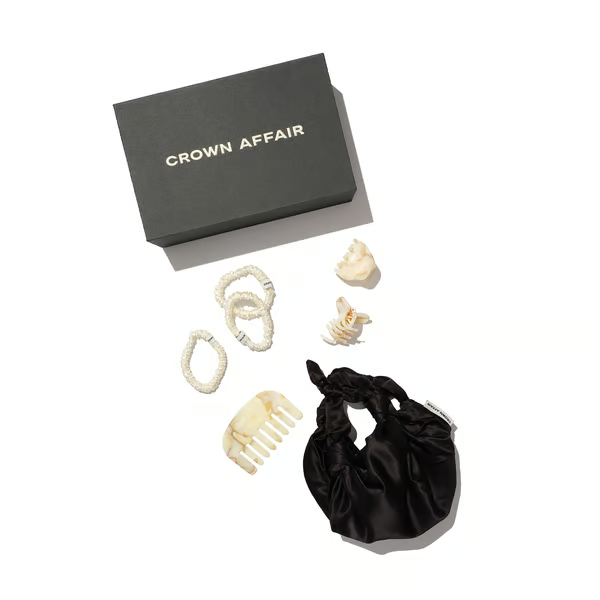
Goop, founded by actress Gwyneth Paltrow in 2008, began as a weekly newsletter offering lifestyle advice. What started as a simple platform for sharing travel tips, recipes, and health insights quickly evolved into a global wellness empire. Today, Goop is a multimillion-dollar brand that represents the intersection of luxury, wellness, and alternative health, catering to an audience that seeks holistic approaches to self-care, beauty, and well-being.
The Early Days of Goop
Goop’s beginnings were humble. Initially, it was just Paltrow sharing personal tips and experiences with her followers, primarily focused on healthy living. The newsletter offered insights into her life, from favorite recipes to travel recommendations, with the now-famous slogan: “Nourish the Inner Aspect.” However, as the readership grew, so did the ambitions of the brand.
By 2012, Goop expanded beyond just a newsletter and into e-commerce, offering curated products that aligned with its wellness philosophy. The company began collaborating with high-end brands and designers, introducing exclusive fashion collections, luxury home goods, and health-focused products. Goop quickly became known not only for its wellness advice but also for its exclusive, often expensive, product offerings.
Wellness, Alternative Health, and Controversy
At its core, Goop is a wellness brand that embraces a holistic view of health. This philosophy often incorporates alternative health practices, some of which have sparked both interest and controversy. Goop’s promotion of non-conventional treatments, such as vaginal steaming, infrared saunas, and jade eggs, garnered widespread attention. While many of these products have loyal fans, they’ve also attracted criticism from the medical community, which has questioned the efficacy and safety of some recommendations.
One of Goop’s most notable controversies came in 2018, when the brand agreed to a $145,000 settlement for making unsubstantiated health claims about jade eggs and other products. Critics argue that Goop’s embrace of pseudoscience can be misleading, especially when health benefits aren’t backed by rigorous scientific research.
Despite the controversies, Goop’s loyal following has remained strong. For many, the brand’s appeal lies in its willingness to explore the unconventional and offer alternatives to traditional health and wellness solutions. Paltrow’s star power and Goop’s reputation as a luxury brand have helped it weather criticism while continuing to expand its influence.
Goop’s Expanding Empire
Goop’s transformation from a newsletter into a global wellness powerhouse is a testament to its adaptability and appeal. Today, the brand encompasses various categories, from beauty and wellness to fashion, home decor, and even media. In addition to its online store, Goop hosts pop-up shops, wellness summits, and other events that attract a devoted, upscale clientele.
One of Goop’s standout areas is beauty and skincare. The brand offers a range of high-end skincare products, often featuring clean ingredients and natural formulations. Goop has capitalized on the growing demand for non-toxic, eco-friendly beauty options, launching its own line of skincare products that emphasize purity and luxury.
In addition to beauty, Goop has delved into fashion. The brand has collaborated with designers to create limited-edition clothing collections, offering pieces that are both stylish and sustainable. Goop’s fashion offerings reflect its overall philosophy of blending luxury with conscious living, appealing to customers who prioritize both aesthetics and ethics in their choices.
Goop’s media ventures have also contributed to its growth. The 2020 Netflix series The Goop Lab showcased the brand’s approach to alternative health practices, covering topics such as energy healing, psychedelics, and cold therapy. While the series was met with mixed reviews, it further solidified Goop’s position as a leader in the wellness space and introduced its brand to a broader audience.
Luxury Meets Wellness
One of Goop’s defining characteristics is its association with luxury. From $500 wellness products to exclusive events like the Goop Summit, the brand caters to a high-end demographic willing to invest in health, beauty, and lifestyle products. Goop’s focus on luxury wellness has raised eyebrows, particularly as some criticize the brand for making wellness seem unattainable to the average person.
Despite the high price tags, Goop’s followers view the brand as aspirational. The luxury experience Goop offers—whether through its beauty products, wellness retreats, or curated travel recommendations—positions it as a brand for those seeking not just health, but an elevated lifestyle.
The Goop Effect
Love it or hate it, Goop has had a profound impact on the wellness industry. The brand has pushed boundaries, challenging traditional ideas of health and wellness while introducing new, alternative practices to a mainstream audience. Gwyneth Paltrow’s influence and Goop’s savvy marketing have made wellness more than just a trend—it has become a lifestyle choice for millions.
As Goop continues to expand, it shows no signs of slowing down. Whether through its controversial health claims or its luxurious product offerings, Goop has solidified itself as a powerful force in the ever-growing wellness industry. For those seeking to nourish their inner and outer aspects, Goop remains at the forefront of what’s next in wellness, beauty, and beyond.



