


In vitro fertilization (IVF) has become one of the most widely known and effective treatments for couples struggling with infertility. Since the birth of the first “test tube baby” in 1978, IVF has offered hope to millions of people worldwide, helping them achieve their dream of parenthood. However, for many, the process of IVF can seem complex and overwhelming. In this blog post, we’ll break down how IVF works, step-by-step, to help demystify the procedure and provide a clearer understanding of what it involves.
What is IVF?
IVF, or in vitro fertilization, is a process of assisted reproduction where an egg is fertilized by sperm outside the body, in a laboratory setting. The term “in vitro” translates to “in glass,” which refers to the laboratory dish where fertilization takes place. Once fertilization occurs, the resulting embryo(s) are then transferred into the woman’s uterus with the hope of achieving a successful pregnancy.
IVF is often recommended for individuals or couples who have been unable to conceive naturally due to various factors such as blocked fallopian tubes, male infertility, endometriosis, ovulation disorders, or unexplained infertility.
How IVF Works: The Step-by-Step Process
IVF is a multi-step procedure that involves several stages over the course of weeks or months. Here is an overview of the key steps involved in IVF:
1. Ovarian Stimulation
The IVF process begins with ovarian stimulation, where the woman receives hormone medications to stimulate her ovaries to produce multiple eggs. Normally, a woman produces one egg per menstrual cycle, but with IVF, the goal is to produce several eggs to increase the chances of success.
During this stage, the woman will take injectable hormones, such as follicle-stimulating hormone (FSH) and luteinizing hormone (LH), for about 8 to 14 days. These hormones encourage the growth of multiple ovarian follicles (each containing an egg). Throughout this period, the patient will have regular ultrasound scans and blood tests to monitor the development of the follicles.
2. Egg Retrieval
Once the ovarian follicles have reached the desired size, the next step is egg retrieval, also known as follicular aspiration. This is a minor surgical procedure typically performed under sedation or light anesthesia.
Using ultrasound guidance, a fertility specialist will insert a thin needle through the vaginal wall and into the ovaries to gently aspirate the mature eggs from the follicles. The procedure takes about 20 to 30 minutes, and most women can return home the same day. The eggs are then taken to the laboratory for fertilization.
3. Sperm Collection and Preparation
While the eggs are being retrieved, a sperm sample is collected from the male partner or a sperm donor. The sperm is then processed and prepared in the laboratory to separate the healthiest, most active sperm cells.
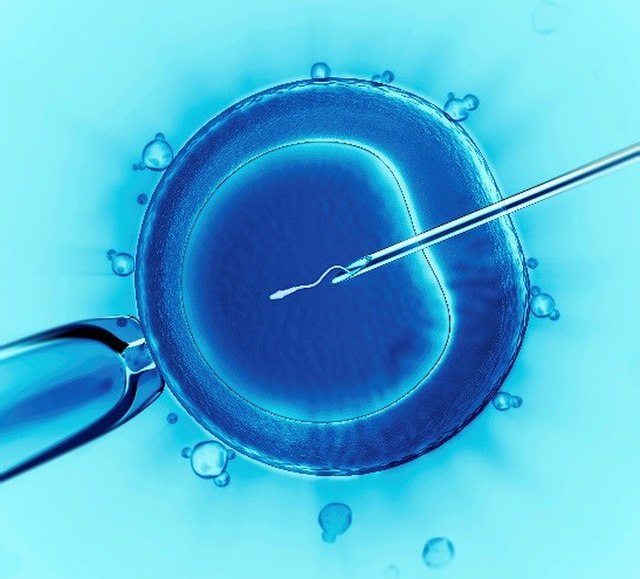
In cases of severe male infertility, a single healthy sperm may be injected directly into each egg in a process known as intracytoplasmic sperm injection (ICSI). This technique can significantly increase the chances of successful fertilization.
4. Fertilization
Fertilization occurs when the prepared sperm is combined with the retrieved eggs in a controlled laboratory environment. The eggs and sperm are placed together in a special culture medium, where they are incubated to allow for fertilization.
Over the next few days, embryologists closely monitor the fertilized eggs (now embryos) to ensure they are developing normally. Not all eggs will fertilize, and not all embryos will continue to develop. Typically, the best-quality embryos are selected for transfer to the uterus.
5. Embryo Transfer
Embryo transfer is a relatively simple procedure that takes place a few days after fertilization, usually on the third or fifth day of embryo development. The chosen embryo(s) are placed into a thin catheter and gently inserted into the woman’s uterus through the cervix.
The number of embryos transferred will depend on various factors, including the woman’s age, the quality of the embryos, and the fertility clinic’s recommendations. In most cases, one or two embryos are transferred to minimize the risk of multiple pregnancies. The procedure is usually painless, does not require anesthesia, and takes only a few minutes.
6. Luteal Phase Support and Pregnancy Test
After the embryo transfer, the woman will receive hormone support, typically in the form of progesterone supplements, to help maintain the uterine lining and support implantation. This phase, known as the luteal phase, is crucial for giving the embryo the best chance to implant and establish a pregnancy.
About 10 to 14 days after the embryo transfer, a blood test will be conducted to measure the levels of human chorionic gonadotropin (hCG), the pregnancy hormone. If the test is positive, it indicates that implantation has occurred and the woman is pregnant. The clinic may schedule an early ultrasound to confirm the pregnancy and check for a fetal heartbeat a few weeks later.
Success Rates and Factors Affecting IVF Outcomes
IVF success rates vary depending on several factors, including the woman’s age, the cause of infertility, the quality of the sperm and eggs, and the fertility clinic’s expertise. On average, younger women tend to have higher success rates, while success rates tend to decline with age.
It’s important to keep in mind that IVF is not a guarantee of pregnancy, and many individuals or couples may need to undergo multiple cycles before achieving a successful outcome. Despite the uncertainties, IVF has helped countless families around the world fulfill their dreams of having children.
The Emotional Journey of IVF
While IVF offers hope for many, it can also be an emotionally and physically demanding process. The rollercoaster of emotions—from anticipation to anxiety, hope to disappointment—can be overwhelming. It’s crucial for anyone undergoing IVF to have a strong support system in place, whether from family, friends, or a counselor who specializes in fertility issues.
Many find comfort in joining support groups or online communities where they can share experiences with others who understand the unique challenges of infertility treatments.
Final Thoughts: The Promise of IVF
IVF is a powerful tool in the world of reproductive medicine, offering a path to parenthood for those who may otherwise struggle to conceive. While the journey may be challenging, the advancements in fertility treatments continue to bring hope to countless families around the globe. Understanding how IVF works is the first step toward making informed decisions and finding the right approach for your fertility journey.




.jpg)


.jpg)

_-_English.png)

