
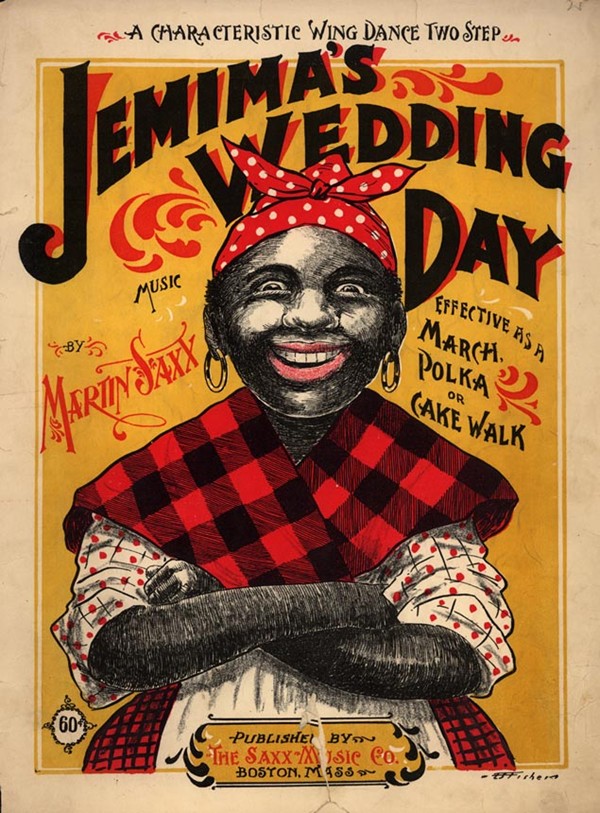


For more than a century, the image of Aunt Jemima graced breakfast tables across America, becoming one of the most recognizable faces in the food industry. However, behind the syrupy sweetness of the brand lies a history fraught with racial stereotypes and controversy. The story of Aunt Jemima is not just about a brand, but about the evolution of cultural awareness and the ongoing efforts to address and rectify the racial injustices embedded in American history. This blog post explores the origins of Aunt Jemima, the controversies surrounding the brand, and its recent transformation in response to changing social consciousness.
The Origins of Aunt Jemima: A Stereotype Takes Shape
The Aunt Jemima brand was born in 1889, when the Pearl Milling Company developed a ready-made pancake mix that promised to make breakfast easier for busy families. The name “Aunt Jemima” was inspired by a minstrel show song titled “Old Aunt Jemima,” which featured a character based on the “mammy” stereotype—a racist caricature of Black women as subservient, happy-go-lucky caretakers devoted to serving white families.
The character of Aunt Jemima was designed to evoke nostalgia for the Old South, where enslaved Black women were often depicted as loyal and maternal figures. The original image of Aunt Jemima, created by illustrator James Webb Young, was modeled after Nancy Green, a former slave who was hired to portray the character at the 1893 World’s Columbian Exposition in Chicago. Green’s portrayal of Aunt Jemima helped popularize the brand, but it also solidified the racist stereotype that would persist for decades.
A Century of Controversy: The Brand’s Troubled Legacy
For many years, the image of Aunt Jemima remained largely unchallenged, even as the civil rights movement brought greater awareness to issues of racial inequality. The brand continued to evolve, with the character’s appearance being updated over the years to appear less overtly stereotypical. In the 1960s, Aunt Jemima was given a more modern look, losing her headscarf in favor of a more contemporary hairstyle. Despite these changes, the underlying associations with the mammy stereotype persisted.
Critics argued that the brand’s use of a Black woman’s image as a commercial mascot was not only outdated but deeply offensive, as it perpetuated harmful stereotypes and trivialized the experiences of Black women in America. For years, civil rights organizations and activists called for the retirement of the Aunt Jemima brand, but it wasn’t until the 21st century that these calls began to gain traction.
The Push for Change: A Cultural Reckoning
The killing of George Floyd in May 2020 and the subsequent Black Lives Matter protests sparked a nationwide reckoning with systemic racism in America. As part of this movement, companies across various industries were forced to confront their own roles in perpetuating racial stereotypes and inequalities. The Quaker Oats Company, which owned the Aunt Jemima brand, was among the companies that came under scrutiny.
In June 2020, amid growing public pressure, Quaker Oats announced that it would retire the Aunt Jemima brand, acknowledging that the character was “based on a racial stereotype.” The decision was part of a broader effort to reexamine and address the ways in which brands, symbols, and imagery contribute to racial injustice.
The announcement was met with a mix of reactions. Many praised the decision as a necessary step in the fight against racism, while others saw it as a superficial gesture that did little to address the deeper issues of racial inequality. Nevertheless, the retirement of Aunt Jemima marked a significant moment in the ongoing conversation about race, representation, and the power of branding.
A New Chapter: The Rebranding to Pearl Milling Company
In February 2021, Quaker Oats unveiled the new name for the brand: Pearl Milling Company. The name pays homage to the original mill in St. Joseph, Missouri, where the pancake mix was first created in 1888. Along with the name change, the brand’s packaging was updated to remove the image of Aunt Jemima, replacing it with a more neutral and historically accurate depiction of the mill.
The rebranding was part of a larger initiative by Quaker Oats and its parent company, PepsiCo, to promote racial equality and invest in Black communities. The company pledged to allocate resources to support Black-owned businesses, create opportunities for Black entrepreneurs, and contribute to organizations that work to dismantle systemic racism.
The transition from Aunt Jemima to Pearl Milling Company represents a shift in the way companies approach branding and the responsibilities they have to their consumers and society at large. While the change may seem small in the grand scheme of things, it reflects a growing awareness of the impact that brands and imagery can have on public perceptions and cultural attitudes.
Reflections: The Impact of Aunt Jemima’s Evolution
The story of Aunt Jemima is a powerful reminder of how deeply ingrained racial stereotypes can be in our culture—and how difficult it can be to move beyond them. The character of Aunt Jemima was born out of a racist past, but her legacy also shows how societal attitudes can change over time and how brands must evolve to reflect those changes.
The rebranding to Pearl Milling Company is more than just a name change; it is a symbol of progress, a recognition of past wrongs, and a commitment to creating a more inclusive and equitable future. It serves as an example of how businesses can take meaningful steps toward social responsibility, not only by acknowledging their own histories but by actively working to make a difference.
Final Thoughts: A New Era for a Historic Brand
As Pearl Milling Company continues to build its legacy, it does so with a renewed focus on the values of diversity, inclusion, and respect. The story of Aunt Jemima’s evolution is a testament to the power of public discourse and the importance of holding brands accountable for their impact on society. It reminds us that while we cannot change the past, we can take steps to ensure that the future is more just and equitable for all.
As consumers, we have the power to shape the narratives and values that define our culture. By supporting brands that align with those values, we contribute to a broader movement toward a more inclusive and compassionate society. The journey from Aunt Jemima to Pearl Milling Company is just one chapter in that ongoing story.





