
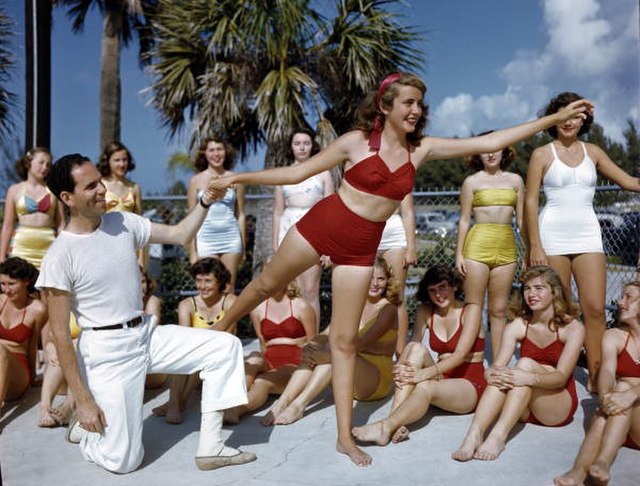


The bikini, a staple of modern beachwear, has a fascinating and turbulent history that reflects broader social and cultural changes over the past century. This two-piece swimsuit, now a symbol of summer and freedom, was once considered scandalous, banned in many places, and even deemed illegal. This blog post delves into the history of the bikini, how it came to be, and the societal challenges it faced before becoming an iconic piece of fashion.
The Origins of the Bikini: Ancient Beginnings to Modern Rebirth
The concept of a two-piece garment dates back to ancient times. Mosaics from the Roman Empire, found in Sicily, depict women wearing garments resembling modern bikinis while engaging in sports, suggesting that a similar style existed over 1,700 years ago. However, this style disappeared for centuries, with swimwear evolving into more conservative forms.
The modern bikini, as we know it today, emerged in the 20th century, amidst dramatic social changes and evolving attitudes toward women’s bodies and fashion. The first official bikini was introduced in Paris on July 5, 1946, by French engineer Louis Réard. He named the new swimsuit after Bikini Atoll, the Pacific Ocean site where atomic bomb tests were conducted that same week. Réard believed that his creation would be as explosive as the nuclear tests, and in many ways, he was right.
Réard’s bikini was tiny by the standards of the time—so small that no professional model was willing to wear it for the initial unveiling. Instead, Micheline Bernardini, a Parisian showgirl from the Casino de Paris, was hired to model the new swimsuit. The bikini was designed to reveal more skin than any swimsuit before it, consisting of just 30 inches of fabric, with a triangular top and bottoms that exposed the midriff and thighs.
The Initial Backlash and Bans
The bikini was considered scandalous and indecent when it first appeared. The Catholic Church and many conservative groups condemned it, calling it immoral and inappropriate. Countries like Spain, Italy, and Belgium quickly banned the bikini from public beaches and swimming pools. Even in the United States, the bikini was seen as controversial, and public outcry led to regulations against it in certain areas. The idea of a woman baring her midriff and legs in public was seen as a direct challenge to traditional values and social norms.
In the 1950s, many places enforced modesty laws, and women wearing bikinis could be fined or even arrested for “indecent exposure.” Lifeguards and beach patrols in places like France and the U.S. would carry measuring tapes to ensure that swimsuits complied with regulations. The swimsuit was deemed unsuitable for “decent” women, and it struggled to gain acceptance in a world still heavily influenced by conservative post-war values.
Cultural Shifts: The Bikini Gains Popularity
The bikini’s rise in popularity can be traced back to the changing social climate of the 1960s. The post-war era brought about significant shifts in attitudes toward women’s rights, body image, and personal freedom. The bikini began to be seen as a symbol of liberation and empowerment, reflecting broader movements advocating for gender equality and personal autonomy.
Hollywood played a pivotal role in popularizing the bikini. In 1956, French actress Brigitte Bardot famously wore a bikini in the film And God Created Woman, sparking international attention and scandal. Bardot’s beach photos in Cannes wearing a bikini further cemented the swimsuit’s place in popular culture. Meanwhile, in the United States, movies like Beach Party (1963) and Dr. No (1962), featuring Ursula Andress in a white bikini, helped to destigmatize the garment and present it as a fashionable choice for young women.
By the late 1960s and 1970s, the bikini became synonymous with the sexual revolution, youth culture, and the rise of feminism. As attitudes toward women’s bodies and public decency shifted, the bikini began to lose its controversial status and became a mainstream fashion item. It was no longer just a swimsuit but a statement of individuality, confidence, and freedom.
The Legal Battles: From Prohibition to Acceptance
The legal status of the bikini evolved as it became more accepted in society. Many of the early bans and regulations against the bikini were gradually lifted in the 1960s and 1970s. France, for example, embraced the bikini wholeheartedly, and by the mid-20th century, it was a common sight on the beaches of the French Riviera. Other countries followed suit, relaxing their modesty laws and allowing women more freedom in their choice of swimwear.
In the United States, the bikini’s journey from banned to accepted was aided by the surf culture of California, where beachgoers began wearing bikinis regularly. As the garment gained acceptance in popular culture, regulations against it became increasingly difficult to enforce. Public opinion shifted, and legal prohibitions against bikinis were eventually repealed, reflecting changing attitudes toward personal freedom and women’s rights.
The Bikini Today: A Symbol of Empowerment and Diversity
Today, the bikini is a ubiquitous presence on beaches and poolside decks around the world. It has evolved from its controversial beginnings into a symbol of empowerment, self-expression, and body positivity. The modern bikini comes in countless styles, colors, and sizes, catering to a diverse range of body types and personal preferences.
The evolution of the bikini also mirrors broader social changes. The garment is no longer seen purely through the lens of fashion but is celebrated for its role in challenging outdated norms and promoting body confidence. Women of all shapes, sizes, and backgrounds proudly wear bikinis, rejecting the idea that beauty has a single, narrow definition.
Additionally, the bikini has become a vehicle for social and political statements. From feminist activists advocating for body autonomy to environmentalists promoting sustainable swimwear, the bikini has become a canvas for broader social messages.
Final Thoughts: A Bold Fashion Statement That Changed the World
The history of the bikini is one of controversy, cultural change, and ultimate triumph. What began as a daring fashion experiment in 1946 has grown into a symbol of freedom, individuality, and empowerment for women around the globe. The bikini’s journey from being banned and regulated to becoming a beloved fashion staple reflects the evolving attitudes toward women’s bodies, personal freedom, and societal norms.
As we look back on the bikini’s past, it is clear that its impact goes far beyond the beach. It represents a significant moment in the history of fashion, culture, and gender equality—a reminder that progress often begins with a bold and unconventional idea. Today, the bikini remains not just a piece of clothing but a powerful statement of self-expression and choice.




.jpg)
