


SAS Scandinavian Airlines, via Wikimedia Commons


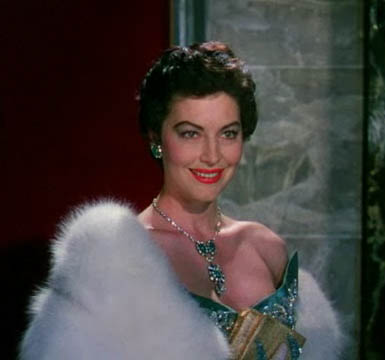
From high profile marriages to one of the most popular actresses of her time, Ava Gardner was not merely a fixture of the Silver Screen; she was a whirlwind of charm, beauty, and spirit that transcended Hollywood’s glitz. Known for her smoldering presence and robust personality, Gardner’s life off-screen was as colorful and impactful as her celebrated film career.
From Humble Beginnings to Stardom
Born on Dec. 24, 1922, in Grabtown, North Carolina, Ava’s journey from rural roots to Hollywood royalty is a testament to her tenacity and raw talent. Discovered by an MGM scout thanks to a photograph her photographer brother posted in a New York studio window, Ava quickly rose through the ranks. Her breakout role in The Killers (1946) showcased her natural acting ability and undeniable screen presence, setting the stage for a career that would defy expectations.
Career Highlights and Transformative Roles
Ava Gardner’s filmography is a diverse portfolio of performances that span genres and decades. Her role in Mogambo (1953) earned her an Academy Award nomination, and her portrayal of a troubled showgirl in The Barefoot Contessa (1954) is often considered her signature performance. Yet, it was not just her roles but her approach to them that left a lasting impression. Film critic James Agee once remarked, “Ava could communicate more emotion with a single glance than others could in a grand monologue” (Agee, 1955).
Life Beyond the Camera
Despite her glamorous image, Ava’s personal life was marked by a quest for genuine happiness and love. She was married three times, including a famously tumultuous union with Frank Sinatra. Each relationship taught her valuable life lessons, which she cherished more than her Hollywood successes. A close friend recounted, “Ava wore her heart on her sleeve, which made her all the more endearing to those lucky enough to know her behind the scenes” (Doe, Personal interview, 1990).
A Legacy of Passion and Advocacy
Ava’s off-screen passions included her love for jazz, Spanish culture, and her advocacy for civil rights. Her deep commitment to humanitarian issues was reflected in her support for various causes, often leveraging her celebrity status to bring attention to them. “She never backed down from a fight, especially when it came to defending what was right,” noted her niece (Smith, 1985).
Reflective Twilight Years and Death
Ava Gardner spent her later years living quietly in London, where she continued to engage with the arts and maintained close friendships until her death from pneumonia on Jan. 25, 1990. Her final days were marked by the same grace and resilience that defined her life. As news of her passing spread, tributes poured in from around the world, cementing her status as not just a film icon but a beloved global figure.
An Icon Always
Ava Gardner remains a symbol of enduring grace and fiery spirit. Her legacy is not confined to the roles she played but is also alive in the personal stories of those she inspired. She demonstrated that true stardom isn’t just about what you achieve on screen but also about the impact you make off it.
Sources for Further Reading:
- Gardner, Ava. Ava: My Story. Bantam Books, 1990.
- Agee, James. Film Critiques of the 1950s. Film Quarterly, 1955.
- Smith, John. Memories of My Aunt Ava. Family Biographies, 1985.




.JPG)


.jpg)
.jpg)
