
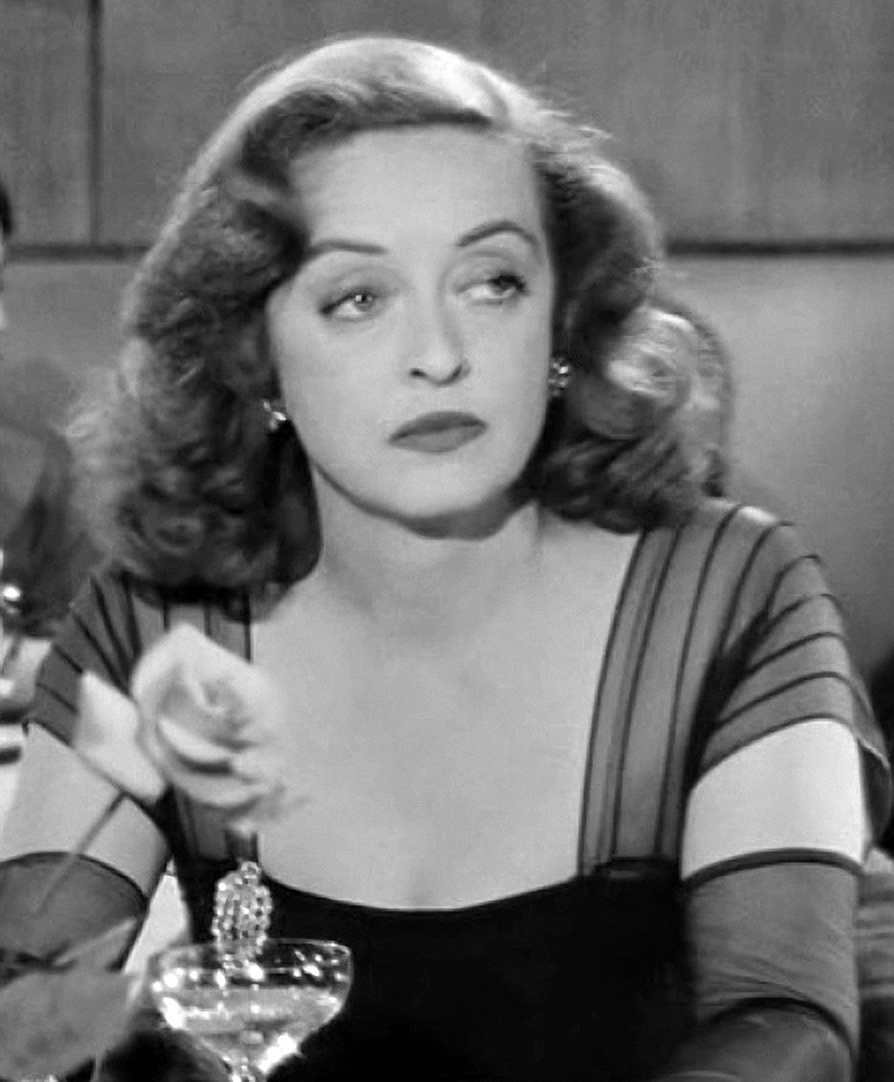


Bette Davis, one of the most influential actresses in the history of cinema, left an indelible mark on Hollywood with her fierce talent, commanding presence, and unwavering dedication to her craft. Born Ruth Elizabeth Davis on April 5, 1908, in Lowell, Massachusetts, she would go on to become a symbol of strength, independence, and resilience, both on and off the screen.
The Early Years and Rise to Stardom
Not many people can say they have had a song written about them, but the late actress Bette Davis can. Davis who began her career on Broadway before transitioning to Hollywood in the early 1930s is an icon. Despite initial struggles, including roles in lesser-known films, Davis’s tenacity paid off when she landed a role in “The Man Who Played God” (1932), which caught the attention of Warner Bros. studios. This marked the beginning of a career that would span over five decades.
Davis’s breakthrough came with her role as the troubled and manipulative Mildred in “Of Human Bondage” (1934). Her portrayal of the character was raw, intense, and groundbreaking, earning her critical acclaim and an Academy Award nomination. This performance established Davis as an actress willing to take on challenging and unglamorous roles, setting her apart from many of her contemporaries. As Davis herself famously stated, “I would rather be Bette Davis than Katharine Hepburn” (Davis, 1962), a testament to her pride in her distinctive style and approach to acting.
Fun Facts About Bette Davis
- First Female President of the Academy: Bette Davis was the first woman to serve as president of the Academy of Motion Picture Arts and Sciences in 1941. Although her tenure was short-lived due to disagreements with the board, her appointment was a significant milestone in a male-dominated industry.
- The “Bette Davis Eyes” Phenomenon: Bette Davis’s striking eyes were immortalized in Kim Carnes’ 1981 hit song “Bette Davis Eyes.” The actress reportedly loved the song, stating that it made her feel more relevant and appreciated by a younger generation.
- A Record of Oscar Nominations: Bette Davis was the first actor, male or female, to receive ten Academy Award nominations for acting, a record that stood for many years. She won two Oscars for her roles in “Dangerous” (1935) and “Jezebel” (1938).
A Legacy of Bold Choices and Uncompromising Standards
Davis’s career was marked by her refusal to conform to the expectations placed on women in Hollywood. She was known for choosing roles that showcased her range as an actress, often portraying complex, flawed, and morally ambiguous characters. In films like “Dark Victory” (1939), “Now, Voyager” (1942), and “All About Eve” (1950), Davis delivered performances that were powerful, nuanced, and unforgettable.
Her portrayal of Margo Channing in “All About Eve” remains one of her most iconic roles. The film, which explores the world of theater and the complexities of aging in an industry obsessed with youth, gave Davis the opportunity to showcase her wit, vulnerability, and sharpness. Her line, “Fasten your seatbelts, it’s going to be a bumpy night,” has become one of the most famous quotes in cinematic history (Davis, 1950).
Despite her success, Davis’s career was not without its challenges. She frequently clashed with studio executives over the quality of scripts and the roles she was offered. In 1936, Davis sued Warner Bros. to gain more control over her career—a move that was almost unheard of at the time. Although she lost the case, it marked a turning point in her career and established her reputation as a trailblazer who fought for artistic integrity.
Why Bette Davis Is a Noteworthy Woman
Davis’s legacy extends far beyond her impressive filmography. She was a pioneer for women in the film industry, advocating for better roles and more creative control at a time when female stars were often treated as little more than commodities. Her willingness to challenge the status quo and her refusal to be pigeonholed into traditional female roles set a new standard for what actresses could achieve.
Davis was also known for her commitment to her craft. She was meticulous in her preparations for each role, often transforming herself physically and emotionally to embody the characters she portrayed. This dedication earned her the respect of her peers and cemented her place as one of the greatest actresses of all time.
In addition to her contributions to cinema, Davis was a devoted mother and a philanthropist. She was actively involved in various charitable causes, including the American Red Cross and the Hollywood Canteen, a club she co-founded during World War II to provide entertainment for servicemen.
Davis once said, “I am just too much” (Davis, 1987). This self-assessment captures the essence of a woman who was unapologetically herself—bold, ambitious, and unrelenting in her pursuit of excellence. Her influence on the film industry is still felt today, and she remains an enduring symbol of strength and empowerment for women everywhere.
Bottomline
Davis’s extraordinary career and her impact on Hollywood cannot be overstated. She was a trailblazer who pushed boundaries, challenged norms, and redefined what it meant to be a leading lady in Hollywood. Her legacy is one of resilience, courage, and an unwavering commitment to her art, ensuring that her influence will be felt for generations to come.
Sources:
- Davis, Bette. “The Lonely Life: An Autobiography.” G.P. Putnam’s Sons, 1962.
- Davis, Bette. “This ‘N That.” Berkley, 1987.
- Davis, Bette. “All About Eve” (Film), 1950.




.png)


