
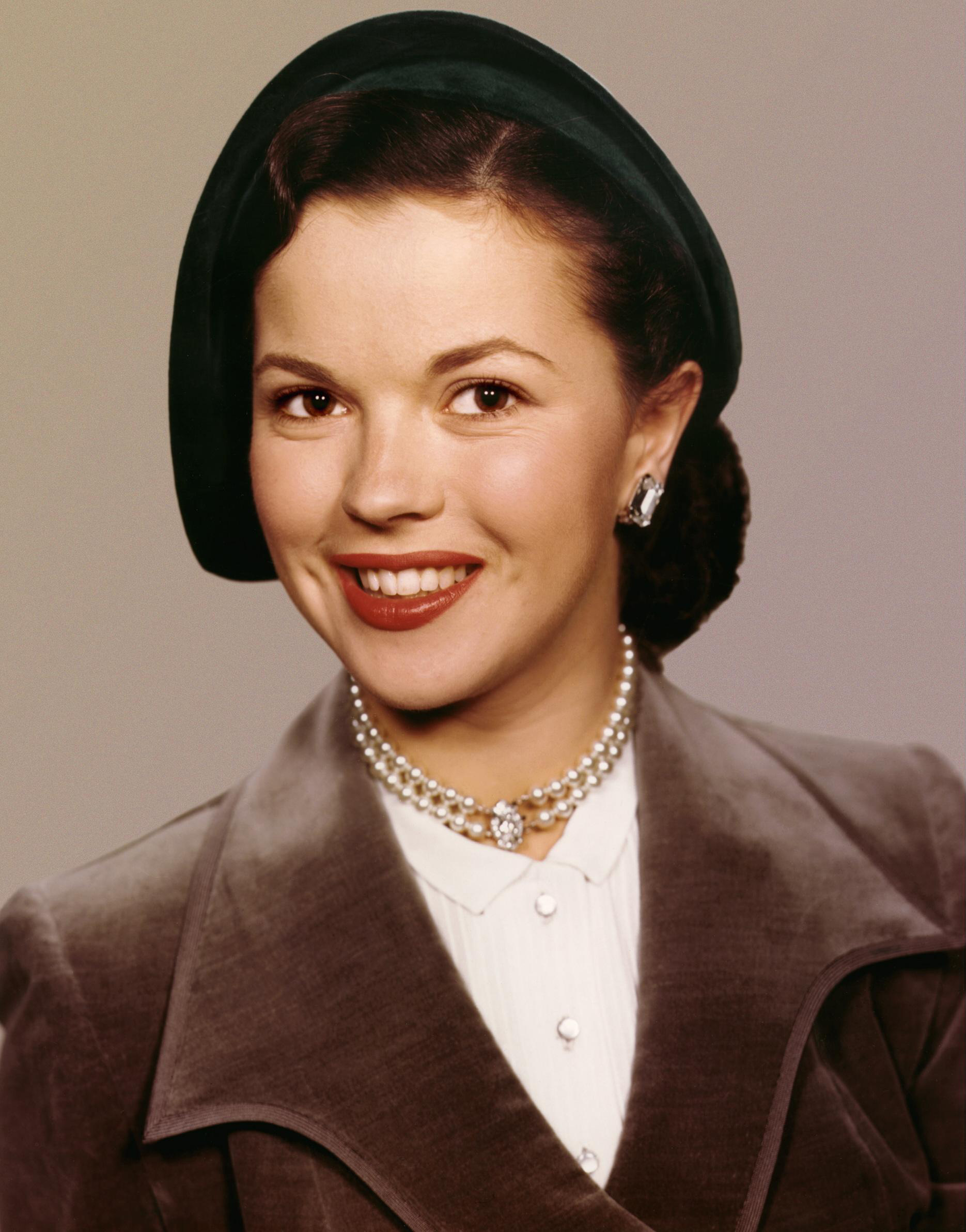


Shirley Temple Black is a name that conjures images of a curly-haired, dimpled child who charmed audiences around the world during the Great Depression. However, Shirley Temple was much more than just a child star. Her later life as a diplomat and public servant marked her as a woman of remarkable talent, grace, and intelligence. Born on April 23, 1928, in Santa Monica, California, Temple became one of the most iconic figures in Hollywood history, and her impact extended far beyond the silver screen.
The Rise of a Child Star
Shirley Temple’s ascent to stardom began at the tender age of three when she was discovered by a talent scout. By 1934, she had starred in “Stand Up and Cheer!,” which catapulted her to fame. Her performance in “Bright Eyes” (1934), where she sang the famous song “On the Good Ship Lollipop,” solidified her status as America’s sweetheart. With her infectious smile, impeccable timing, and natural charm, Temple became a symbol of hope and joy during one of America’s most challenging eras.
Throughout the 1930s, Temple starred in a series of successful films, including “Curly Top” (1935), “The Little Colonel” (1935), and “Heidi” (1937). Her ability to captivate audiences was unmatched, and she was the top box-office draw in the United States from 1935 to 1938. As Temple once said, “When I was 14, I was the oldest I ever was. I’ve been getting younger ever since” (Temple Black, 1988). This playful observation reflected her unique experience of growing up in the public eye.

Fun Facts About Shirley Temple
- Youngest Oscar Winner: In 1935, at just six years old, Shirley Temple received a special Juvenile Academy Award for her outstanding contribution to screen entertainment, making her the youngest person ever to receive an Oscar.
- A Dance Sensation: Shirley Temple was known for her dance routines, often performing alongside adult co-stars like Bill “Bojangles” Robinson. Their tap dance duets, particularly the staircase dance in “The Little Colonel,” remain iconic moments in film history.
- Shirley Temple Cocktail: The non-alcoholic drink named after Shirley Temple, made with ginger ale, grenadine, and a maraschino cherry, became a popular treat for children in the 1930s and remains a favorite today.
A Second Act: From Hollywood to Diplomacy
After retiring from acting at the age of 22, Shirley Temple Black transitioned to a life of public service, a move that surprised many but highlighted her intelligence and desire to make a difference. She married Charles Alden Black, a successful businessman, in 1950 and later became involved in politics and diplomacy.
In 1969, President Richard Nixon appointed her as a delegate to the United Nations, where she worked on environmental and humanitarian issues. Her diplomatic career continued under President Gerald Ford, who appointed her as the U.S. Ambassador to Ghana in 1974. Later, under President George H.W. Bush, she served as the U.S. Ambassador to Czechoslovakia from 1989 to 1992, playing a key role during the country’s transition from communism.
Temple Black’s transition from Hollywood to diplomacy was not without challenges, but she approached her new roles with the same determination and grace that had defined her acting career. Reflecting on her diplomatic work, she once remarked, “I have always told everyone who works with me to dress for the job you want, not the job you have. I wanted to be a diplomat, so I dressed like one” (Temple Black, 1989).
Why Shirley Temple Black Is a Noteworthy Woman
Shirley Temple Black’s life is a testament to her versatility and resilience. She successfully navigated the pressures of child stardom, avoiding the pitfalls that often accompany early fame. Her decision to leave Hollywood and pursue a career in public service demonstrated her depth of character and commitment to making a positive impact on the world.
Her diplomatic achievements, particularly her work in Ghana and Czechoslovakia, showcased her ability to adapt and thrive in new environments. As a woman in a male-dominated field, she broke barriers and served as a role model for future generations of women in diplomacy and politics.
In addition to her professional accomplishments, Temple Black was also a breast cancer survivor and advocate for early detection and awareness. In 1972, she publicly announced her diagnosis and mastectomy, becoming one of the first public figures to speak openly about breast cancer, which helped to reduce the stigma surrounding the disease.
Shirley Temple Black’s legacy is multifaceted. She will always be remembered as the curly-haired child who brought joy to millions during the Great Depression, but her contributions to diplomacy and public service are equally significant. Her life exemplifies the power of reinvention and the importance of using one’s talents and platform to contribute to society.
As Temple Black once said, “The U.S. needs all its talent, both men and women. The way to overcome prejudice is to move forward and make progress” (Temple Black, 1990). This quote reflects her belief in equality and progress, values that she championed throughout her life.
Bottomline
Shirley Temple Black’s extraordinary life journey from child star to diplomat is a rare and inspiring tale. Her ability to reinvent herself, coupled with her contributions to cinema, diplomacy, and public health, ensures that her legacy will endure for generations to come.
Sources:
- Temple Black, Shirley. “Child Star: An Autobiography.” McGraw-Hill, 1988.
- Temple Black, Shirley. “My Young Life.” Doubleday, 1989.
- Temple Black, Shirley. “Hollywood and Beyond.” Bantam Books, 1990.





.jpg)
.jpg)


.jpg)
