
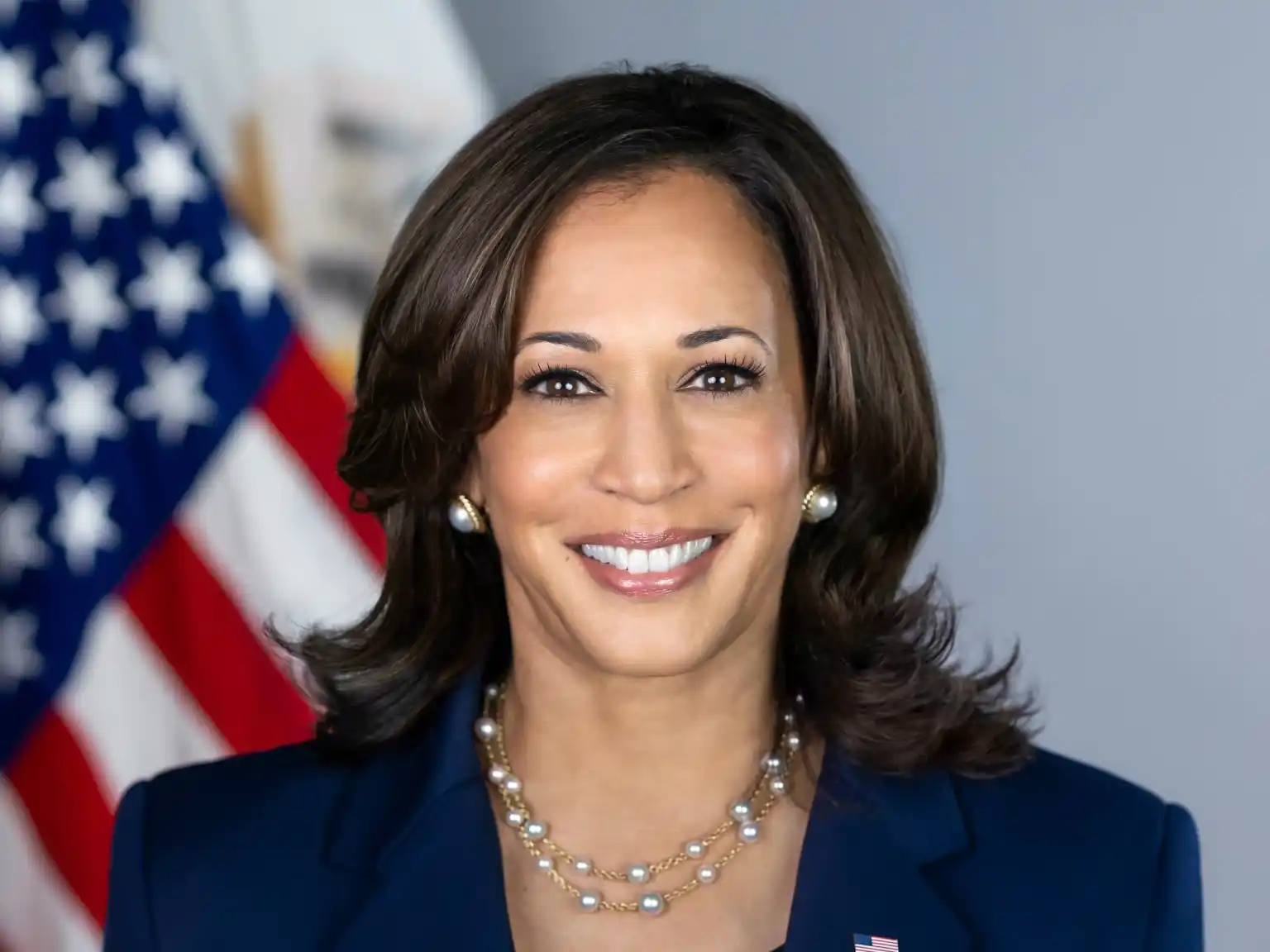
The Democratic National Convention (DNC) is a cornerstone of American political life, playing a pivotal role in the election cycle by officially nominating the Democratic Party’s candidates for president and vice president. Beyond its political significance, the DNC is steeped in history and tradition, with a number of interesting facts that highlight its evolution and impact over the years. Here are some fascinating insights into the DNC:
1. The First DNC: A Tradition Begins
The first Democratic National Convention was held in 1832 in Baltimore, Maryland, to nominate Andrew Jackson for his second term as president. This event marked the beginning of a new era in American politics, where national conventions became the standard for selecting party candidates. Prior to this, candidates were often chosen by congressional caucuses or state legislatures.
2. The Birthplace of the “Smoke-Filled Room”
The term “smoke-filled room” originates from the 1920 DNC in San Francisco, where party leaders allegedly met in a hotel room filled with cigar smoke to decide on a nominee after the convention had failed to choose a candidate through ballots. This term has since become synonymous with behind-the-scenes political decision-making. Interestingly, the 1920 DNC saw a deadlock that was only broken on the 44th ballot when James M. Cox was finally chosen as the nominee.
3. The Longest DNC
The 1924 Democratic National Convention holds the record for the longest convention in U.S. history. Held in New York City at Madison Square Garden, the convention lasted a grueling 16 days and required 103 ballots before John W. Davis was selected as the Democratic nominee. The event was marked by deep divisions within the party, particularly over the issue of Prohibition, and the KKK, reflecting the intense political and social tensions of the time.
4. The Role of Superdelegates
One unique feature of the DNC is the inclusion of superdelegates, a group of party leaders and elected officials who are not bound by the primary or caucus results and can support any candidate they choose. Introduced in the 1980s as a way to give more influence to party elites, superdelegates have sometimes played a decisive role in the nomination process, as they did in the 2008 primary between Hillary Clinton and Barack Obama.
5. The DNC Goes Virtual
The 2020 DNC made history as the first convention to be held virtually due to the COVID-19 pandemic. This marked a significant departure from the traditional, in-person gatherings of thousands of delegates and supporters. Despite the challenges, the virtual convention featured innovative programming, including live-streamed speeches, pre-recorded segments, and a mix of celebrities and everyday Americans, highlighting the party’s adaptability in the face of unprecedented circumstances.
6. Keynote Speeches that Launched Careers
The DNC has been the stage for several memorable keynote speeches that have catapulted politicians into the national spotlight. One of the most famous was Barack Obama’s keynote address at the 2004 DNC in Boston, which introduced him to the nation and set the stage for his successful presidential campaign just four years later. Similarly, Bill Clinton’s 1988 keynote, though initially criticized for being too long, also helped him build a national profile, leading to his election as president in 1992.
7. A Historic First: The 2016 DNC
The 2016 Democratic National Convention was historic for nominating Hillary Clinton, the first woman to ever become the presidential nominee of a major U.S. political party. Held in Philadelphia, the convention was a significant moment for gender equality in American politics and highlighted the Democratic Party’s commitment to breaking barriers and advancing women’s rights.
8. The Role of Music and Culture
Over the years, the DNC has also been a showcase for American culture, with music playing a significant role in setting the tone of the event. From Bruce Springsteen’s performance in 2008 to the appearance of stars like Katy Perry and Alicia Keys in 2016, the convention has often featured performances that resonate with the party’s values and the spirit of the times.
Final Thoughts
The Democratic National Convention is much more than a political event; it is a reflection of the evolving dynamics of American democracy. From its historical firsts to its influence on political careers, the DNC offers a fascinating glimpse into the workings of one of the world’s oldest political parties. As the DNC continues to adapt to new challenges and opportunities, it remains a vital part of the American political landscape.



