
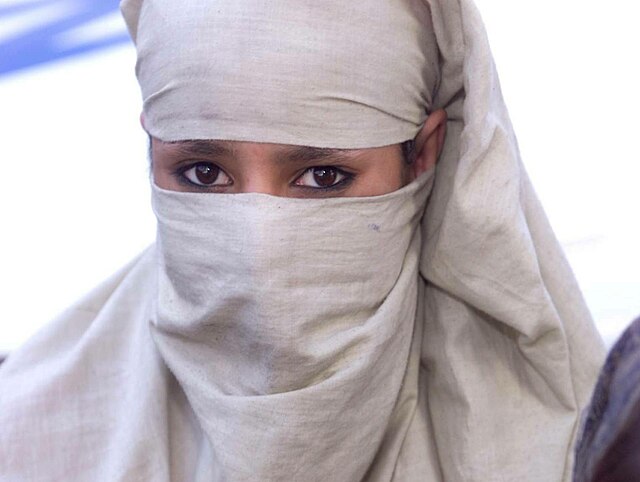


Please note: this article does not touch on women who are forced to wear the niqab. This article explains what it means for women who CHOOSE to wear the niqab!
The niqab, a face-covering veil worn by some Muslim women, is often misunderstood and misrepresented in Western discourse. For many women, the niqab holds deep personal, cultural, and religious significance. This blog post aims to explore the diverse meanings and motivations behind wearing the niqab, shedding light on the perspectives of the women who choose to wear it.
Personal Choice and Religious Commitment
A Devout Expression of Faith
For many women, wearing the niqab is a devout expression of their faith. It is a symbol of their commitment to Islamic principles and a way to draw closer to God. The niqab is seen as an act of piety and devotion, reflecting a personal decision to adhere to a higher standard of modesty as prescribed by their interpretation of religious texts.
Empowerment Through Choice
Contrary to some misconceptions, many women who wear the niqab do so out of their own free will. For these women, the niqab represents a conscious choice to live according to their beliefs and values. It is an empowering decision that allows them to assert their identity and autonomy in a world that often imposes different standards of beauty and behavior.
Cultural Identity and Heritage
Preserving Tradition
The niqab also holds cultural significance for many women. It is a way to preserve and honor their cultural heritage and traditions. In many communities, the niqab is a long-standing practice that connects women to their ancestors and cultural roots. Wearing the niqab can be a source of pride and a way to maintain a sense of belonging and continuity with the past.
Navigating Cultural Dynamics
For some women, wearing the niqab is a means of navigating the cultural dynamics of their environment. It can serve as a protective measure in societies where modest dress is the norm, allowing women to avoid unwanted attention and maintain social harmony. The niqab can also be a form of resistance against cultural assimilation, allowing women to retain their distinct identity in diverse and multicultural settings.
Personal Privacy and Autonomy
Protecting Privacy
One of the reasons women choose to wear the niqab is to protect their personal privacy. The niqab allows them to move through public spaces without revealing their identity, providing a sense of security and control over who gets to see their face. For many women, this aspect of the niqab is liberating, as it allows them to interact with the world on their own terms.
Challenging Norms
Wearing the niqab can also be a way for women to challenge societal norms and expectations. In a world that often places undue emphasis on physical appearance, the niqab allows women to assert that their worth is not tied to their looks. It is a statement that their identity and value lie beyond the superficial, and that they refuse to be judged based on external attributes.
Addressing Misconceptions and Stereotypes
Breaking Stereotypes
There are many misconceptions and stereotypes surrounding the niqab. Some view it as a symbol of oppression, assuming that women who wear it are forced to do so. However, this narrative overlooks the agency and diverse experiences of niqab-wearing women. It is essential to recognize that the niqab can be a deeply personal and voluntary choice, reflecting a range of motivations and meanings.
Advocating for Understanding
To foster a more inclusive and understanding society, it is crucial to listen to the voices of niqab-wearing women and respect their choices. By engaging in open and respectful dialogue, we can challenge stereotypes and promote a more nuanced understanding of the niqab and its significance. Supporting the right of women to choose how they dress, free from judgment and discrimination, is a vital step towards greater acceptance and respect for diversity.
Final Thoughts
The niqab holds a multitude of meanings for the women who wear it, encompassing personal faith, cultural identity, privacy, and autonomy. It is a symbol that can represent empowerment, tradition, and resistance, depending on the individual and their context. By recognizing and respecting the diverse motivations behind wearing the niqab, we can move towards a more inclusive and empathetic understanding of this practice. Ultimately, the niqab is a powerful reminder of the importance of honoring each person’s right to express their identity and beliefs in the way that feels most authentic to them.



