
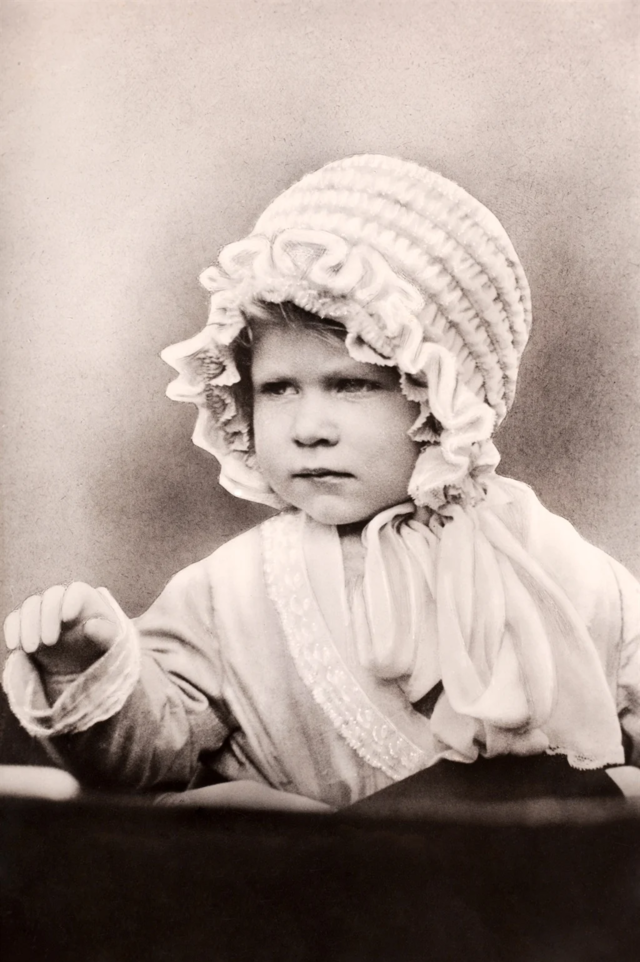


Queen Elizabeth II, one of the most enduring and respected monarchs in modern history, ascended to the throne at a young age. Her early years as Queen were marked by significant events, challenges, and a steadfast dedication to her role. This blog post explores the life of young Queen Elizabeth, highlighting her journey to the throne, her early reign, and the qualities that have defined her legacy.
A Royal Childhood
Birth and Family
Elizabeth Alexandra Mary Windsor was born on April 21, 1926, in London. As the first child of the Duke and Duchess of York, later known as King George VI and Queen Elizabeth, she was not initially expected to become queen. Her early years were marked by a loving family environment and a strong sense of duty and service, instilled by her parents.
Education and Preparation
Elizabeth’s education was tailored to prepare her for a life of public service. She was tutored privately in constitutional history, law, and languages. Her upbringing emphasized the importance of duty, responsibility, and leadership, laying the foundation for her future role as queen.
The Unexpected Ascension
A Sudden Change
In 1936, Elizabeth’s life changed dramatically when her uncle, King Edward VIII, abdicated the throne to marry Wallis Simpson, an American divorcée. Elizabeth’s father became King George VI, and she became the heir presumptive. This unexpected turn of events thrust young Elizabeth into the spotlight and set her on the path to becoming queen.
World War II
During World War II, Elizabeth and her sister, Princess Margaret, were evacuated to Windsor Castle for safety. Despite the dangers, Elizabeth insisted on contributing to the war effort. At the age of 18, she joined the Auxiliary Territorial Service, becoming the first female member of the royal family to serve in the armed forces. Her experience during the war further solidified her sense of duty and commitment to her country.
Becoming Queen
The Death of King George VI
On February 6, 1952, King George VI passed away unexpectedly. Elizabeth, just 25 years old, was in Kenya on a royal tour with her husband, Prince Philip, when she received the news. She immediately returned to the United Kingdom and began her reign as Queen Elizabeth II.
Coronation
Queen Elizabeth’s coronation on June 2, 1953, was a grand and historic event, symbolizing the beginning of a new era. Held at Westminster Abbey, the ceremony was the first to be televised, allowing millions of people worldwide to witness the momentous occasion. The young queen’s grace and poise during the coronation set the tone for her reign.
Early Reign
Modernizing the Monarchy
One of Queen Elizabeth’s early challenges was modernizing the monarchy to keep pace with a rapidly changing world. She embraced new technologies, such as television, to make the royal family more accessible to the public. Her televised Christmas broadcasts became a cherished tradition, allowing her to connect with her subjects on a personal level.
International Diplomacy
As a young queen, Elizabeth embarked on numerous international tours, strengthening diplomatic ties and promoting British interests abroad. Her visits to countries within the Commonwealth and beyond helped to foster goodwill and reinforce the United Kingdom’s global presence. Her ability to navigate complex political landscapes showcased her diplomatic skills and earned her respect on the world stage.
Balancing Tradition and Change
Elizabeth faced the delicate task of balancing royal traditions with the need for change. She worked to modernize royal protocols and practices while preserving the dignity and heritage of the monarchy. Her commitment to this balance has been a hallmark of her reign, ensuring the monarchy’s continued relevance and stability.
Legacy and Impact
Dedication to Duty
From a young age, Queen Elizabeth II demonstrated an unwavering dedication to her role and responsibilities. Her commitment to duty, service, and the well-being of her people has been a constant throughout her reign. This dedication has earned her the admiration and loyalty of millions around the world.
A Role Model for Leadership
Young Queen Elizabeth’s ability to navigate the complexities of her position with grace and wisdom has made her a role model for leaders everywhere. Her calm demeanor, resilience, and steadfastness in the face of challenges have set a high standard for public service and leadership.
Enduring Influence
Queen Elizabeth II’s early years on the throne laid the foundation for an enduring legacy that continues to shape the modern monarchy. Her influence extends beyond the borders of the United Kingdom, impacting global diplomacy, cultural preservation, and the role of the monarchy in contemporary society.
Final Thoughts
The early years of Queen Elizabeth II’s reign were marked by significant challenges and achievements. Her journey from a young princess to a respected monarch demonstrates her extraordinary dedication, leadership, and resilience. As we reflect on her remarkable legacy, it is clear that Queen Elizabeth II’s influence will endure for generations to come, inspiring leaders and citizens alike with her example of service and commitment.



