
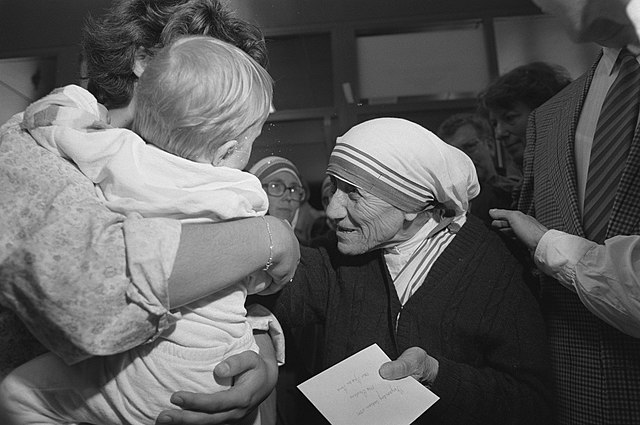


Mother Teresa, known for her boundless compassion and unwavering dedication to the poorest of the poor, remains one of the most iconic figures of the 20th century. Her life’s work and legacy continue to inspire millions around the world. This blog post delves into the extraordinary life of Mother Teresa, highlighting her journey, her mission, and the profound impact she left on humanity.
Early Life and Calling
A Humble Beginning
Mother Teresa was born Anjezë Gonxhe Bojaxhiu on August 26, 1910, in Skopje, then part of the Ottoman Empire (now North Macedonia). Raised in a devoutly Catholic family, she was inspired by her mother’s charitable works and the strong faith that permeated her upbringing. From an early age, Anjezë felt a deep call to serve others, particularly those in need.
The Call to Religious Life
At the age of 18, Anjezë left her home to join the Sisters of Loreto in Dublin, Ireland, where she took the name Sister Mary Teresa after Saint Thérèse of Lisieux. She then traveled to India, where she began her novitiate in Darjeeling and eventually took her final vows as a nun. It was in India that Sister Teresa would experience a profound transformation, leading to the mission that defined her life.
The Missionaries of Charity
A Call Within a Call
In 1946, during a train journey to the Loreto convent in Darjeeling, Sister Teresa experienced what she later described as a “call within a call.” She felt a divine prompting to leave the convent and live among the poorest of the poor, serving them directly. In 1948, with permission from her superiors, she left the Loreto order and ventured into the slums of Calcutta (now Kolkata) to begin her new mission.
Founding the Missionaries of Charity
In 1950, Mother Teresa founded the Missionaries of Charity, a religious congregation dedicated to serving “the hungry, the naked, the homeless, the crippled, the blind, the lepers, all those people who feel unwanted, unloved, uncared for throughout society.” The congregation quickly grew, attracting members from all over the world who were inspired by her selfless dedication and unwavering faith.
A Life of Service
Compassion in Action
Mother Teresa’s work was characterized by a hands-on approach to caring for the destitute and dying. She established hospices, orphanages, and leper houses across India and eventually in many other countries. Her compassionate touch and tireless efforts brought comfort and dignity to those society had often forgotten. She believed in the intrinsic value of every human life, regardless of circumstance, and her actions reflected this profound respect for human dignity.
Global Impact and Recognition
Mother Teresa’s tireless work did not go unnoticed. She received numerous accolades and honors, including the Nobel Peace Prize in 1979. In her acceptance speech, she famously stated, “I am grateful to receive [the Nobel Prize] in the name of the hungry, the naked, the homeless, of the blind, the lepers, of all those people who feel unwanted, unloved, uncared for throughout society.” Her words and deeds resonated worldwide, shining a spotlight on the plight of the poor and the power of compassion.
Challenges and Controversies
Facing Criticism
Despite her widespread acclaim, Mother Teresa faced criticism and controversy. Some critics questioned the quality of medical care in her hospices and her stance on issues like contraception and abortion. Others scrutinized the financial transparency of her organization. However, her unwavering commitment to her mission and her ability to rise above the criticism spoke to her strength of character and conviction.
Personal Struggles
Mother Teresa also experienced personal struggles, including periods of spiritual dryness and doubt, as revealed in her posthumously published letters. These revelations humanized her, showing that even someone of her immense faith faced inner challenges. Her perseverance through these difficulties further endeared her to many, illustrating the depth of her commitment to her calling.
Legacy and Canonization
A Lasting Impact
Mother Teresa passed away on September 5, 1997, but her legacy continues to live on through the Missionaries of Charity and the countless lives she touched. Her work has inspired generations of volunteers and philanthropists to dedicate their lives to serving others. The homes and institutions she established continue to provide care and comfort to those in need.
Sainthood
In 2016, Pope Francis canonized Mother Teresa as a saint, officially recognizing her life of heroic virtue and the miracles attributed to her intercession. Her canonization was a celebration of her enduring impact and a testament to her life’s work dedicated to the poorest of the poor.
Final Thoughts
Mother Teresa’s life was a testament to the power of compassion, faith, and selfless service. Her unwavering dedication to the marginalized and forgotten of society serves as an enduring inspiration to people of all faiths and backgrounds. As we reflect on her legacy, we are reminded of the profound difference one person can make through love, kindness, and unwavering commitment to helping those in need. Mother Teresa’s example challenges us to look beyond ourselves and to find ways to serve others, no matter how small or grand our gestures may be.



