
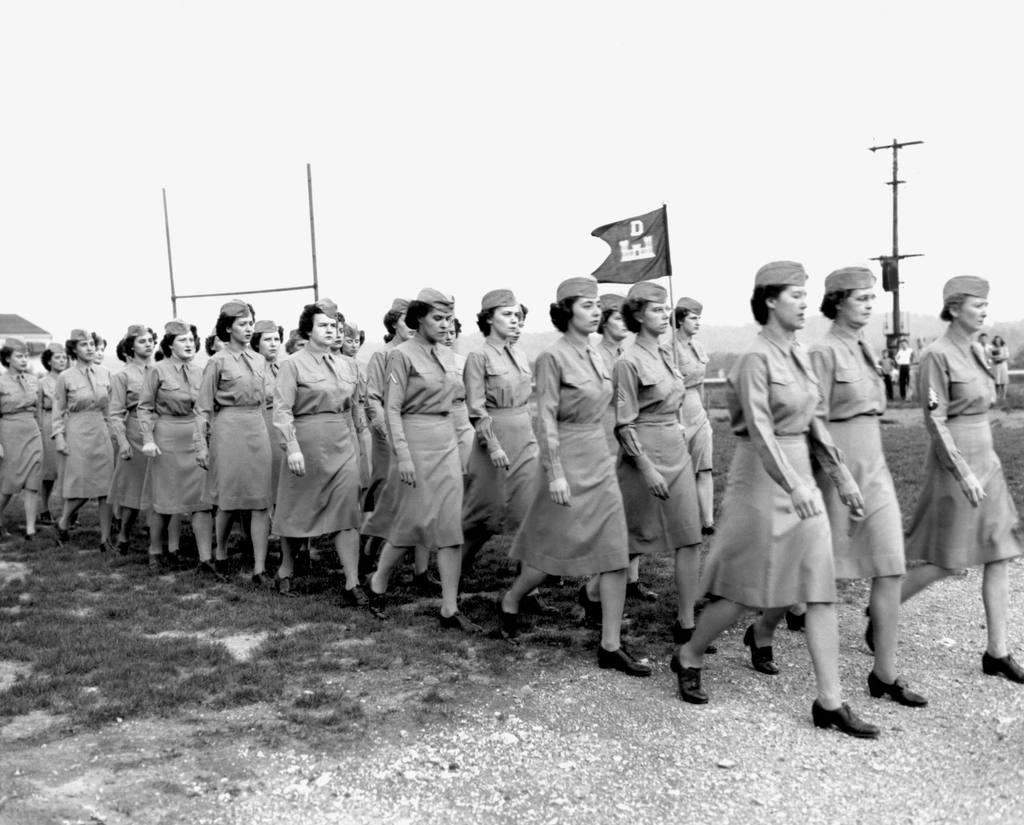
The Women’s Army Corps (WAC), established during World War II, played a pivotal role in transforming the U.S. military and advancing gender equality. These pioneering women not only contributed to the war effort but also paved the way for future generations of women in the armed forces. This blog post delves into the history of the Women’s Army Corps, their significant contributions, and their lasting legacy.
The Birth of the Women’s Army Corps
A Response to Wartime Needs
In the early 1940s, as the United States prepared to enter World War II, there was a pressing need for more personnel to support the war effort. Recognizing the potential of women to fill non-combat roles, Congress established the Women’s Army Auxiliary Corps (WAAC) on May 14, 1942. This groundbreaking legislation marked the first time women were allowed to serve within the ranks of the U.S. Army, although initially, they did not receive the same benefits or status as their male counterparts.
From WAAC to WAC
The success and effectiveness of the WAAC led to a significant change in 1943. The Women’s Army Auxiliary Corps was converted into the Women’s Army Corps (WAC), granting its members full military status. This transition acknowledged the crucial contributions of women and provided them with the same benefits as male soldiers, including equal pay and opportunities for promotion.
Contributions and Achievements
Diverse Roles and Responsibilities
Women in the WAC took on a wide range of roles that were essential to the war effort. They served as clerks, typists, mechanics, radio operators, and in various administrative and technical positions. By taking on these responsibilities, WAC members freed up more men for combat roles, thereby significantly enhancing the overall effectiveness of the military.
Breaking Barriers
The WAC was instrumental in breaking gender barriers within the military. Women were trained in fields traditionally dominated by men and proved their capabilities in these roles. Their success challenged preconceived notions about women’s abilities and opened the door for greater inclusion in the armed forces.
Distinguished Service
Many WAC members received recognition for their exemplary service. One notable figure is Oveta Culp Hobby, the first director of the WAAC and later the WAC. Under her leadership, the Corps grew rapidly, and its members were deployed both domestically and abroad. Hobby’s vision and dedication were crucial in establishing the WAC as an integral part of the U.S. Army.
Challenges and Overcoming Adversity
Facing Discrimination
Despite their contributions, WAC members faced significant discrimination and skepticism from some male counterparts and the public. They were often subjected to prejudice and doubt about their capabilities and commitment. However, their professionalism and excellence in performing their duties gradually earned them respect and recognition.
Integration and Desegregation
The WAC also played a role in the broader struggle for civil rights within the military. African American women in the WAC faced both racial and gender discrimination. Despite these challenges, they served with distinction and contributed to the eventual desegregation of the U.S. military, which began in earnest with President Harry S. Truman’s Executive Order 9981 in 1948.
Legacy and Impact
Post-War Contributions
After World War II, the WAC continued to serve in subsequent conflicts, including the Korean War and the Vietnam War. Their continued presence and performance in these conflicts further solidified the role of women in the military.
Paving the Way for Future Generations
The legacy of the Women’s Army Corps is profound. Their service and sacrifices paved the way for future generations of women in the military. The WAC was disbanded in 1978, and its members were integrated into the regular Army, reflecting the Corps’ success in proving that women could serve effectively alongside men in a variety of roles.
Inspiring Equality
The story of the WAC is an inspiring chapter in the broader narrative of gender equality. The determination and achievements of these women challenged societal norms and helped to shift perceptions about women’s roles in the workforce and the military. Their legacy continues to inspire women to pursue careers in fields once considered off-limits.
Final Thoughts
The Women’s Army Corps played a crucial role in both the U.S. military and the broader fight for gender equality. These trailblazing women demonstrated courage, resilience, and dedication, proving their invaluable contributions to the war effort and beyond. Their legacy is a testament to the impact that determined individuals can have in challenging and changing societal norms. As we reflect on the history of the WAC, we honor their service and recognize the enduring influence they have had on the military and gender equality.



