
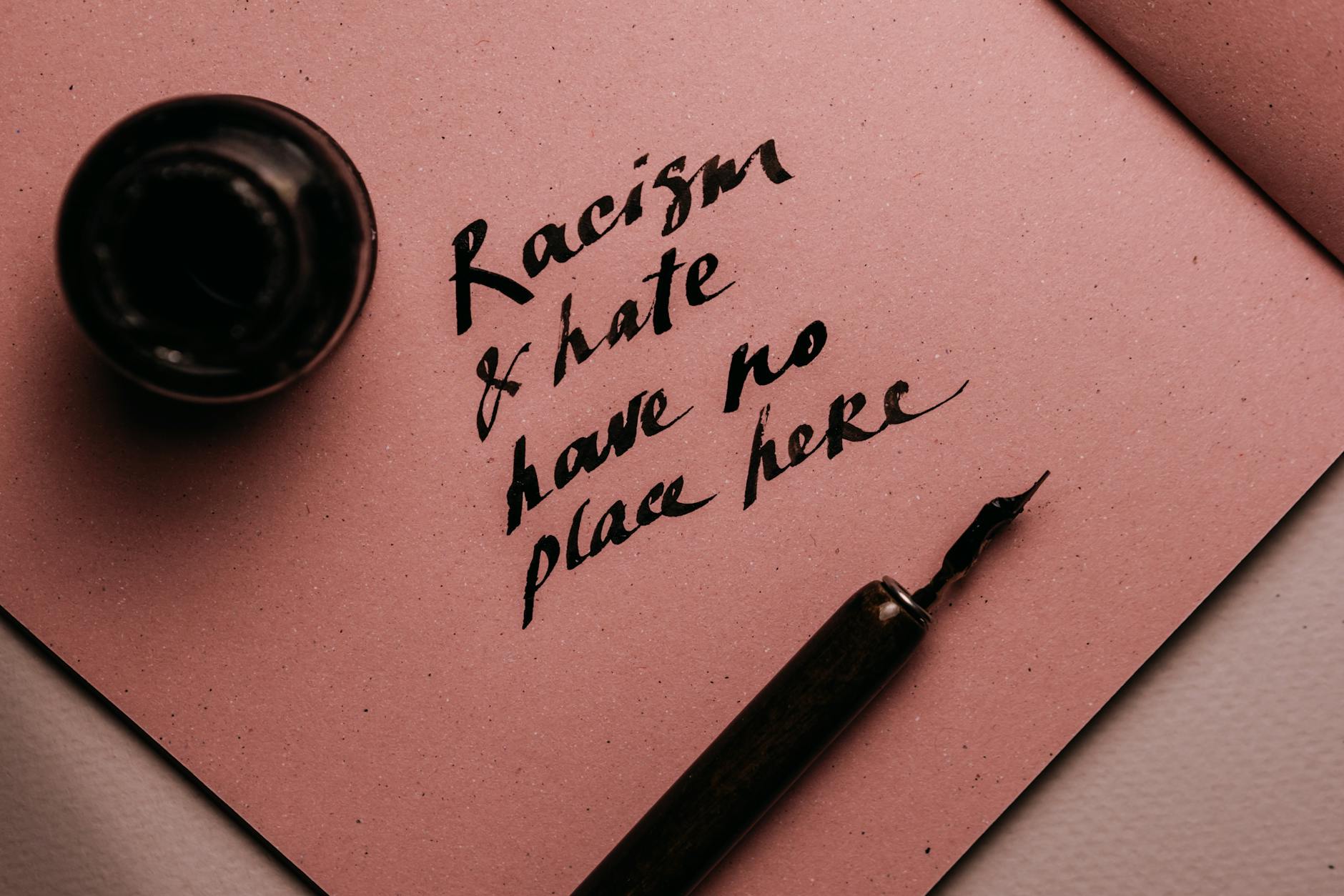
The recent hate crime involving Esmeralda Upton in Plano, Texas, has sent shockwaves through the community and highlighted the persistent issue of racial intolerance in America. This incident, which involved a violent and racially motivated attack, serves as a disturbing reminder of the prejudices that still exist and the urgent need for continued efforts to promote understanding and inclusivity. This blog post delves into the details of the hate crime, the community’s response, and the broader implications for addressing racial hatred in society.
The Incident
What Happened
Esmeralda Upton was involved in a racially charged altercation in a parking lot in Plano, Texas. The incident began with Upton verbally assaulting a group of South Asian women, using racial slurs and derogatory language. The situation quickly escalated when Upton physically attacked one of the women, causing injuries. The entire confrontation was captured on video, which later went viral, sparking outrage across social media and beyond.
Immediate Aftermath
Following the incident, local authorities were alerted, and Esmeralda Upton was arrested and charged with multiple offenses, including assault and committing a hate crime. The victims of the attack received medical attention and have since been outspoken about the trauma and fear they experienced.
Community Response
Outpouring of Support
The Plano community and beyond responded with an outpouring of support for the victims. Vigils, rallies, and community meetings were organized to show solidarity with the South Asian community and condemn the hate crime. Many residents expressed their shock and disappointment that such an incident could occur in their city, reaffirming their commitment to promoting inclusivity and diversity.
Calls for Justice
Community leaders, activists, and local officials have called for justice to be served swiftly and fairly. They have urged law enforcement and the judicial system to handle the case with the seriousness it deserves, emphasizing that hate crimes should not be tolerated under any circumstances. These calls for justice are not only about addressing this particular incident but also about sending a clear message that racial hatred has no place in society.
Broader Implications
The Persistence of Racial Intolerance
The hate crime committed by Esmeralda Upton is a stark reminder that racial intolerance and hate crimes are still prevalent issues in America. Despite progress in many areas, incidents like this highlight the deep-seated prejudices that continue to affect minority communities. It underscores the need for ongoing efforts to combat racism and promote understanding and respect among all people.
The Role of Social Media
The viral video of the incident played a crucial role in bringing attention to the hate crime. Social media has become a powerful tool for exposing and addressing acts of hatred and injustice. It allows for swift dissemination of information, mobilizing public support and pressuring authorities to take action. However, it also raises questions about the psychological impact on victims and the potential for online harassment.
Legal and Policy Implications
This incident has sparked discussions about the adequacy of existing hate crime laws and the need for stronger protections for vulnerable communities. Advocates are calling for more robust legal frameworks to ensure that perpetrators of hate crimes are held accountable and that victims receive the support and justice they deserve.
Moving Forward
Promoting Education and Awareness
Education is a key component in combating racial intolerance. Schools, community organizations, and local governments must work together to promote programs that educate people about the importance of diversity, inclusion, and mutual respect. These initiatives should aim to break down stereotypes, challenge prejudices, and foster a culture of understanding.
Building Stronger Communities
Community-building efforts are essential in creating an environment where diversity is celebrated and hate is not tolerated. Encouraging dialogue between different cultural and ethnic groups can help build stronger, more cohesive communities. Initiatives such as cultural exchange programs, community service projects, and public forums can play a significant role in this regard.
Supporting Victims of Hate Crimes
It is crucial to provide adequate support for victims of hate crimes. This includes access to legal assistance, counseling, and other resources that can help them recover from the trauma. Community organizations and local authorities must work together to ensure that victims feel safe and supported.
Final Thoughts
The hate crime committed by Esmeralda Upton in Plano, Texas, is a tragic reminder of the ongoing struggle against racial intolerance. While the incident has sparked outrage and calls for justice, it also serves as an opportunity to reaffirm our commitment to building a more inclusive and respectful society. By promoting education, fostering community dialogue, and supporting victims, we can work towards eradicating hate and ensuring that such incidents become a thing of the past. As a community and a nation, we must stand united against hate and continue to strive for a world where everyone is treated with dignity and respect.



