
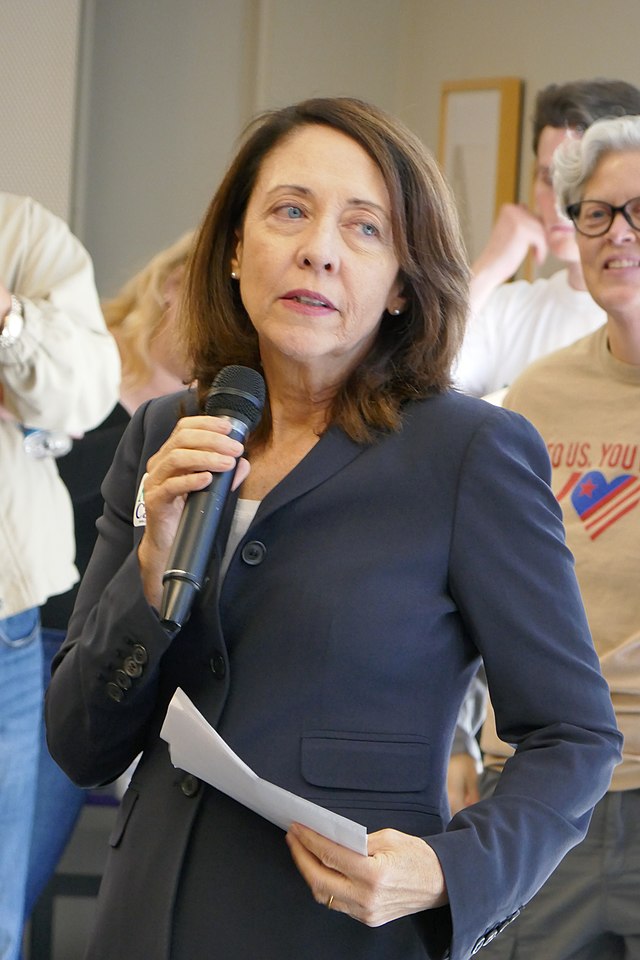


Courtesy of Forbes Breaking News, Youtube, accessed at https://www.youtube.com/watch?v=u7MAjbPVJeE&t=11s.
Senator Maria Cantwell, representing Washington state, has long been an influential voice in the U.S. Senate, especially in areas concerning aerospace and aviation. Given that Washington is home to Boeing, one of the largest aerospace manufacturers in the world, Cantwell’s involvement in issues related to the company is significant. Recently, she has taken a strong stance on holding Boeing accountable for its actions, particularly in light of the company’s safety and ethical concerns.
Background: Boeing and Washington State
Boeing has been a cornerstone of Washington’s economy for decades, providing thousands of jobs and contributing significantly to the state’s economic growth. However, the company has faced scrutiny and criticism in recent years due to safety issues, notably the crashes involving the 737 MAX aircraft, which resulted in the tragic loss of 346 lives.
These incidents have raised serious questions about Boeing’s safety practices and regulatory oversight. As Chair of the Senate Committee on Commerce, Science, and Transportation, which oversees aviation, Cantwell is in a key position to influence policies that impact the aerospace industry.
Cantwell’s Response to Boeing’s Challenges
In response to the 737 MAX crashes, Senator Cantwell has been vocal about the need for rigorous oversight and accountability. She has emphasized that the safety of the flying public must be paramount and that regulatory agencies need to ensure that manufacturers adhere to the highest safety standards.
Cantwell played a crucial role in the development and passage of the Aircraft Certification, Safety, and Accountability Act, which aims to reform the Federal Aviation Administration’s (FAA) certification process for new aircraft. This legislation is designed to address the flaws in the certification process that were highlighted by the 737 MAX incidents. The Act includes measures to improve transparency, enhance whistleblower protections, and ensure that safety concerns are adequately addressed during the certification process.
Advocacy for Workers and Public Safety
Beyond regulatory reforms, Senator Cantwell has also focused on the impact of Boeing’s practices on its workforce and the broader community. She has advocated for policies that protect workers’ rights and ensure fair treatment. This includes pushing for better labor practices within Boeing and ensuring that the company maintains its commitments to its employees and the communities in which it operates.
Cantwell’s efforts are not just about responding to crises but also about fostering a culture of safety and accountability within the aerospace industry. By advocating for stringent safety standards and holding companies like Boeing accountable, she aims to restore public trust in the aviation sector.
Looking Ahead: Continued Oversight and Accountability
Senator Cantwell’s work is far from over. As Boeing continues to navigate its challenges, including financial difficulties exacerbated by the COVID-19 pandemic and ongoing safety concerns, Cantwell’s oversight will be crucial. She has pledged to continue monitoring Boeing’s compliance with safety regulations and to ensure that the company is taking necessary steps to prevent future tragedies.
Cantwell’s commitment to holding Boeing accountable highlights her dedication to both her constituents and the broader public. By leveraging her position in the Senate, she aims to ensure that aerospace companies operate with the highest levels of integrity and safety.
Final Thoughts
Senator Maria Cantwell’s efforts to hold Boeing accountable reflect her broader commitment to public safety, regulatory oversight, and worker protection. As a key figure in the Senate with significant influence over aviation policy, Cantwell’s actions will continue to shape the future of the aerospace industry. Her work underscores the importance of accountability and safety in ensuring that companies like Boeing uphold their responsibilities to their employees, their customers, and the public.




.jpg)

.jpg)


.jpg)
.jpg)
.jpg)

.jpg)