
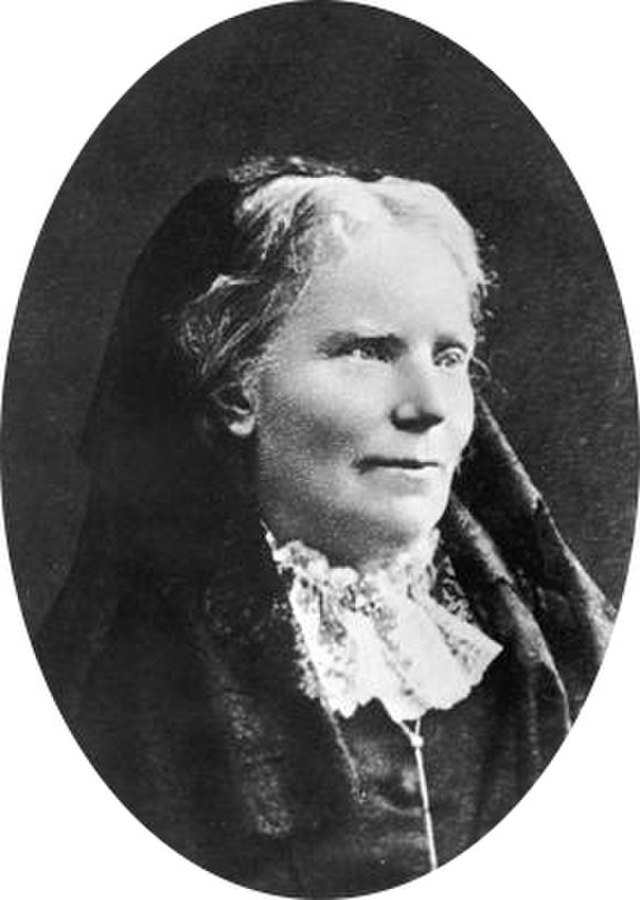
Elizabeth Blackwell’s name is synonymous with breaking barriers and paving the way for women in the field of medicine. As the first woman to earn a medical degree in the United States, her achievements and dedication to healthcare and education have left an indelible mark on the medical profession and women’s rights. This blog post explores Elizabeth Blackwell’s life, her groundbreaking accomplishments, and her lasting legacy.
Early Life and Inspiration
Elizabeth Blackwell was born on February 3, 1821, in Bristol, England, to a progressive family that valued education and social reform. The Blackwell family emigrated to the United States when Elizabeth was 11 years old, settling in Cincinnati, Ohio. The early death of her father left the family in financial difficulty, which motivated Elizabeth and her sisters to pursue careers to support themselves.
Elizabeth’s interest in medicine was sparked by a dying friend who confided that she would have suffered less if she had been treated by a female doctor. This, combined with her own observations of the poor medical treatment of women, inspired her to pursue a career in medicine—a bold and unconventional choice for a woman in the mid-19th century.
Breaking Barriers in Medical Education
Elizabeth Blackwell faced immense challenges in her quest to become a doctor. Rejected by numerous medical schools due to her gender, she finally gained admission to Geneva Medical College in New York in 1847. The acceptance was initially considered a joke by the male students, but Blackwell quickly proved her determination and intellect. Despite facing hostility and isolation, she excelled in her studies, graduating first in her class in 1849.
Her graduation was a monumental achievement, marking the first time a woman had earned a medical degree in the United States. This accomplishment was not just a personal victory for Blackwell but a significant milestone in the fight for gender equality in education and professional fields.
Medical Practice and Advocacy
After completing her degree, Elizabeth Blackwell continued her medical education in Europe, studying midwifery and public health in Paris and London. Upon her return to the United States, she faced significant discrimination in trying to establish her medical practice. Hospitals and clinics were reluctant to grant her privileges, and patients were skeptical of a female doctor.
Undeterred, Blackwell founded the New York Infirmary for Indigent Women and Children in 1857, along with her sister Emily Blackwell, who also became a doctor, and Dr. Marie Zakrzewska. The infirmary provided much-needed medical care to underserved populations and offered women doctors a place to gain clinical experience.
Blackwell’s commitment to education extended beyond her practice. She established the Women’s Medical College of the New York Infirmary in 1868, which provided rigorous medical training for women. This institution played a crucial role in preparing many women for careers in medicine at a time when opportunities were severely limited.
Legacy and Impact
Elizabeth Blackwell’s impact on medicine and women’s rights is profound and far-reaching. She demonstrated that women could excel in the medical profession, challenging the prevailing gender norms and paving the way for future generations of female doctors. Her efforts to provide medical education and clinical opportunities for women laid the groundwork for the inclusion of women in the medical field.
Blackwell was also a prolific writer and advocate for social reform. She published several books and articles on medical education, public health, and women’s rights, using her voice to advocate for change. Her work extended beyond medicine to broader social issues, reflecting her commitment to improving society.
Global Influence
Elizabeth Blackwell’s influence was not confined to the United States. Her achievements and advocacy inspired women worldwide to pursue careers in medicine and other male-dominated fields. She maintained strong ties with medical professionals in Europe and was an active member of various international medical and social reform organizations.
Continuing Her Legacy
The barriers that Elizabeth Blackwell broke through and the institutions she established continue to have an enduring impact. Today, women make up a significant portion of the medical profession, thanks in part to pioneers like Blackwell who fought for their right to practice medicine. Her legacy is celebrated in medical schools, hospitals, and organizations dedicated to gender equality and healthcare.
Final Thoughts
Elizabeth Blackwell’s life and work serve as a testament to the power of perseverance, vision, and dedication. As the first woman to earn a medical degree in the United States, she not only made history but also transformed the medical profession and advanced the cause of women’s rights. Her legacy continues to inspire and empower new generations of women in medicine and beyond, reminding us of the importance of breaking barriers and pursuing our dreams, no matter the obstacles.



